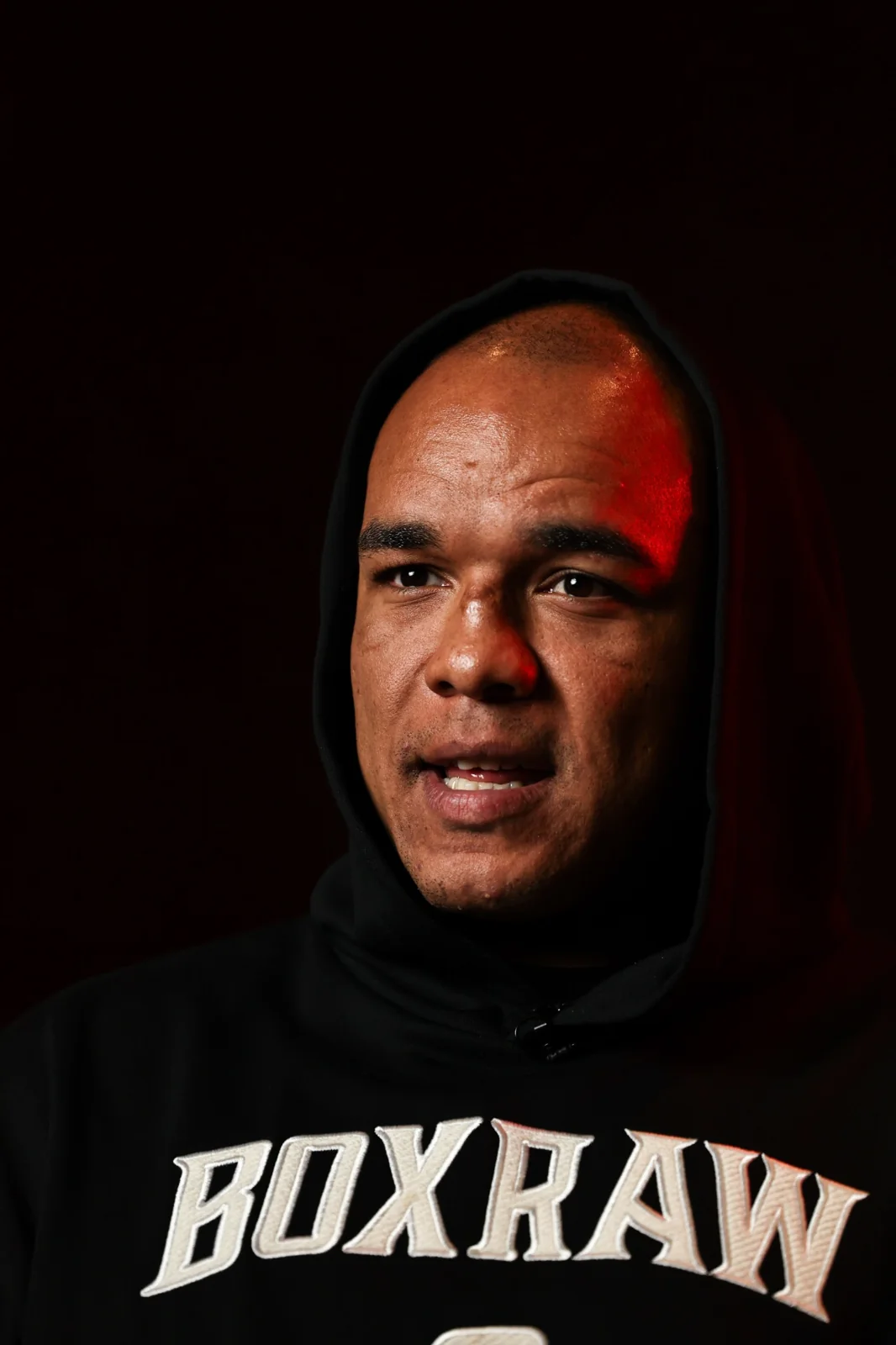
There is a temptation, after a fight as dramatic as Daniel Dubois and Fabio Wardley's first meeting, to assume the sequel must follow the same script. Heavyweights, after all, do not need many openings to change an evening. But the more interesting question ahead of their rematch is not whether they can produce another spectacle. It is whether either man can prevent the circumstances that made the first one possible.
On Saturday 17 October at The O2 in London, Dubois defends the WBO heavyweight championship against the man from whom he took it on 9 May. Wardley exercised his contractual right to an immediate rematch after losing by eleventh-round stoppage at Manchester's Co-op Live Arena. The intervening five months have offered time to recover and prepare, but hardly enough to make their first encounter feel distant.
The first fight: two truths at once
Wardley proved he could hurt Dubois. He dropped him almost immediately and put him down again in the third round. Neither knockdown was a theoretical warning: they were tangible evidence that Wardley's timing, power and willingness to commit could disrupt an opponent with more conventional amateur schooling.
Dubois proved something different. He recovered, imposed his jab and combinations, and gradually made Wardley pay for the exchanges. By the eleventh, with Wardley visibly damaged, referee Howard Foster intervened. Dubois won the fight and the championship, but he did not erase those first three rounds. Both men emerged with evidence to support their confidence — and with problems that cannot simply be talked away.
Wardley's dilemma: urgency without recklessness
The challenger knows he can put the champion down. That knowledge is useful only if he does not become captive to it. Hunting a repeat of the early knockdowns could leave Wardley reaching, opening himself to the jab and giving Dubois the sort of sustained exchanges that turned the first contest.
Wardley's best route may be to retain the threat of his right hand while choosing his moments more carefully. He needs to make Dubois reset, vary the rhythm of his attacks and avoid allowing the champion to settle into a comfortable pattern. Just as important is what happens after Wardley lands: can he maintain position and composure rather than spending too much energy trying to force a finish?
Dubois's dilemma: control without complacency
Dubois has the clearer blueprint from the first meeting: establish the jab, take away Wardley's space and make his own heavier, more structured combinations count. But a blueprint is not a guarantee. He was knocked down twice before he found control, and the champion cannot assume that the same recovery will be available every time.
His task is to begin with the discipline he showed later in Manchester. Foot position, distance and defensive responsibility matter as much as punching authority. Dubois does not have to prove that he can survive another crisis. The stronger statement would be to avoid creating one.
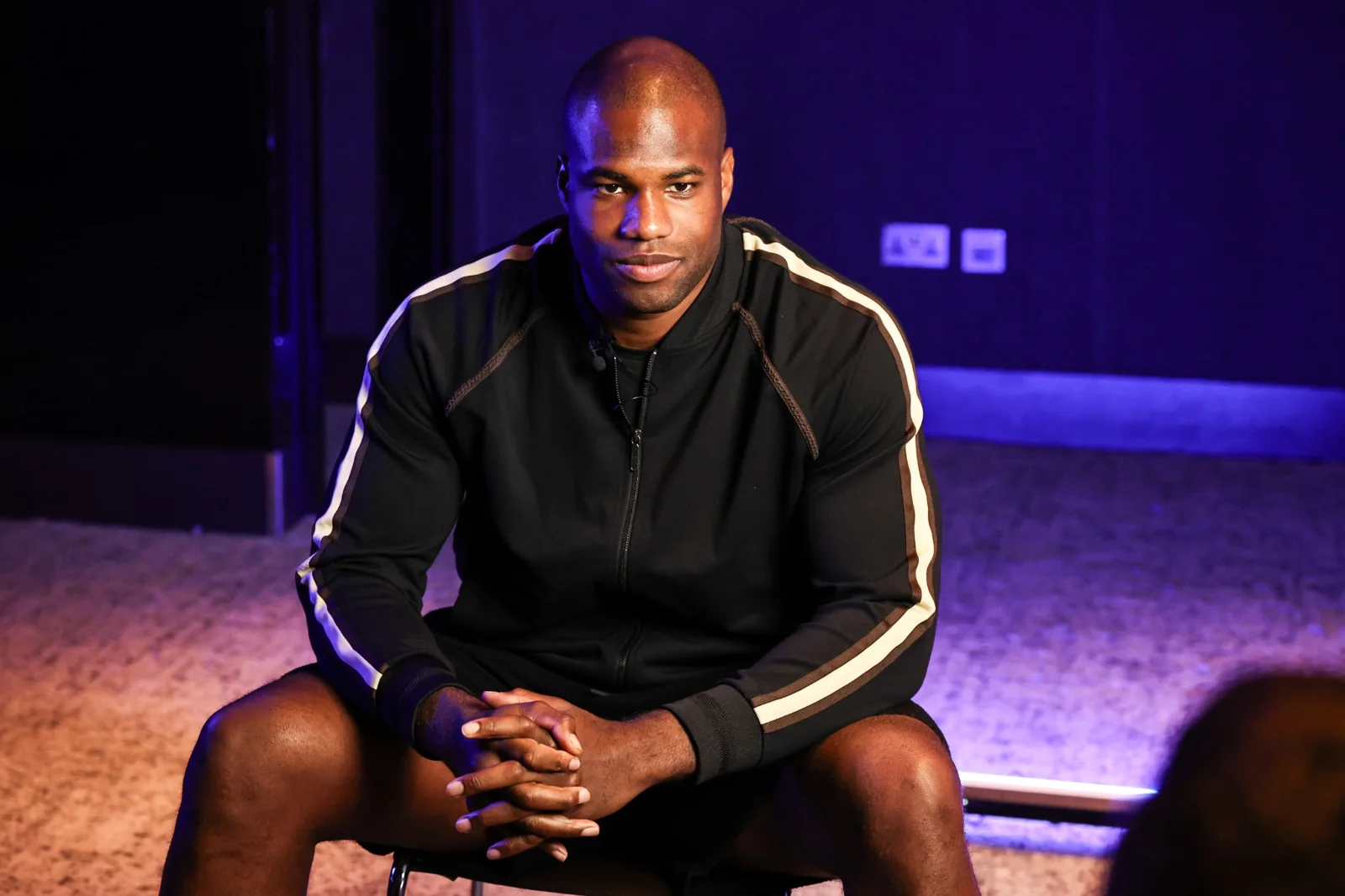
What does the first defeat change?
Wardley entered the original contest unbeaten as a professional. His first loss came not through a single careless punch but after a prolonged, punishing battle in which he had enjoyed significant early success. The physical recovery matters; so does the tactical interpretation. He can take encouragement from the knockdowns without pretending the stoppage was an accident.
For Dubois, victory restored a world title after the disappointment of losing his IBF championship to Oleksandr Usyk in 2025. Defending a belt brings a different kind of pressure from winning one. The man who came back from two knockdowns in Manchester now has something concrete to protect.
What should we watch for?
The first three rounds will tell us whether either corner has changed the terms of engagement. Does Wardley vary his entries and resist chasing the right hand? Does Dubois establish his jab earlier and protect himself as he steps into range? If the contest reaches the middle rounds, watch which man is dictating the pace rather than merely producing the more memorable moments.
There is also the question of how much the first fight cost both men. It would be irresponsible to claim either is diminished without evidence, but a return to the ring only five months after such a demanding encounter makes durability and recovery legitimate questions.
The MBB view
Dubois has earned the right to be considered the man with the stronger evidence behind him: he solved the problems Wardley posed and stopped him. Yet Wardley's early success was too substantial to dismiss. This is not a rematch in which the loser has to invent a route to victory. It is one in which both men already know a route — and both know the danger of following it without adjustment.
The promise of a second fight is not necessarily another war. It is the possibility of watching two heavyweights attempt to make the same opponent fight a different contest. That, rather than the promotional promise of fireworks, is what makes Saturday compelling.
Fight details
Daniel Dubois vs Fabio Wardley II — Saturday 17 October 2026, The O2, London. WBO world heavyweight championship. Promoted by Queensberry; broadcast on DAZN. Broadcast arrangements and start times should be checked with the provider.
Editorial note: This is an independent MBB Ringside preview. Images supplied for editorial use by Queensberry. Photographic credit: Queensberry, Leigh Dawney.
Sources and verification
BBC Sport — rematch clause and first-fight report; Sky Sports — rematch announcement; The Ring — October rematch announcement; AXS — event listing.