The Fighting Family
Scott Murray: From the amateur clubs of the Black Country to the next generation of British boxing
On a wall in Cannock hangs a pair of boxing shorts that have been carefully preserved for decades.
They belonged to Ron Gray, the former heavyweight who appeared on the undercards of both Muhammad Ali’s fights with Henry Cooper, in 1963 and 1966. Framed alongside the shorts are a fight programme and newspaper cutting, reminders of a period when British boxing regularly brought some of the biggest names in the sport to this country.
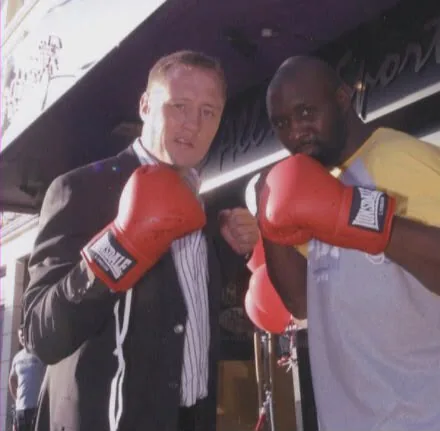
Elsewhere on the wall are photographs of Scott Murray sparring with former British and Commonwealth heavyweight champion Danny Williams, alongside pictures and memorabilia collected over a lifetime spent in and around boxing.
For anyone interested in the history of the sport, it is the sort of collection that invites a closer look.
For Scott, however, those shorts carry a significance that goes beyond the occasion on which they were worn.
Ron Gray was a close friend of Scott’s father, Alan. Together with his brother Pete, Ron had been part of the Murray family’s life for as long as Scott could remember.
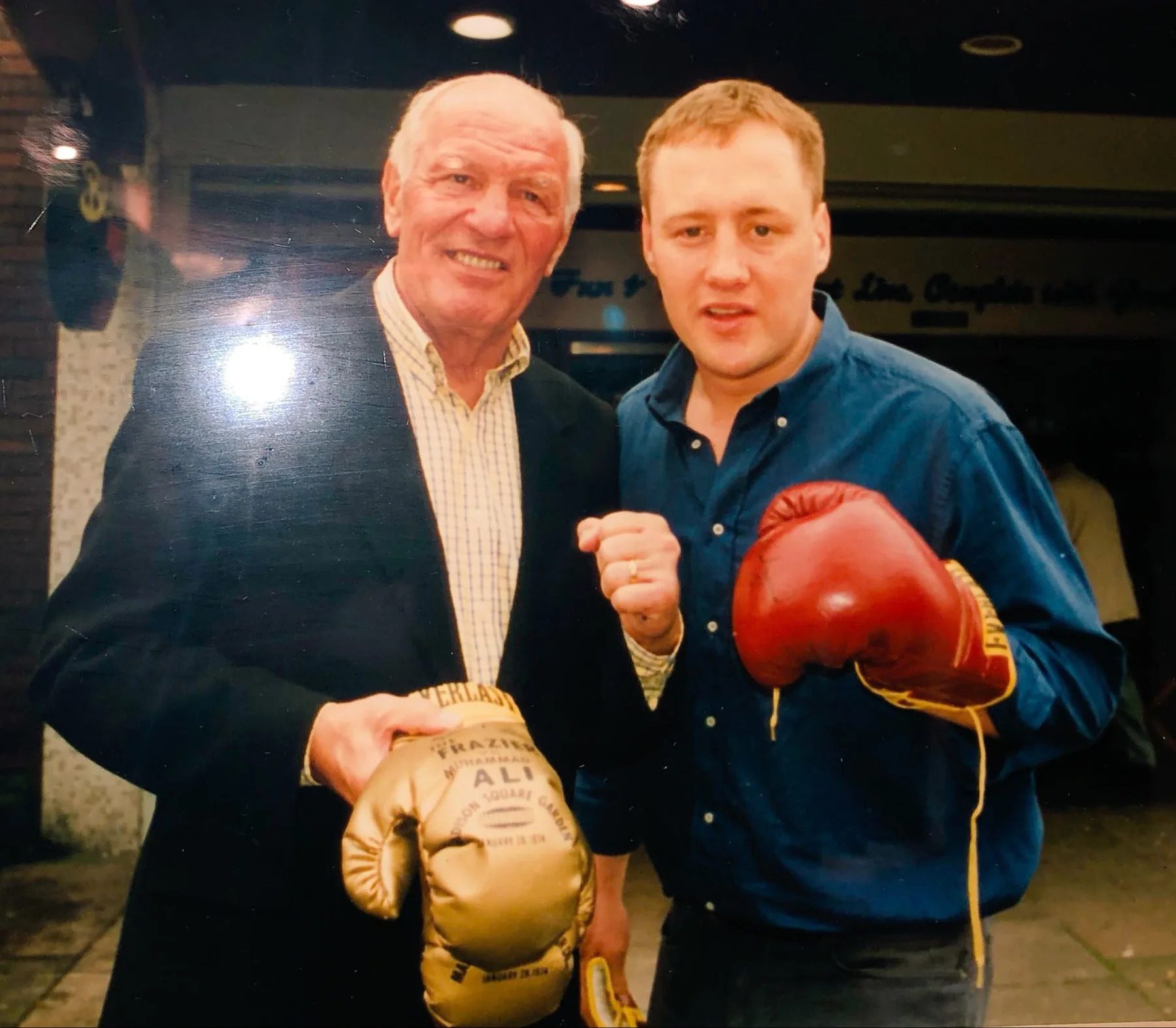
It was Ron who gave him his first pair of boxing gloves.
More than forty years later, the families remain close, and the sport that first brought them together continues to play an important part in their lives.
To understand Scott Murray’s place in boxing today, it is worth going back to where it began.
The early years
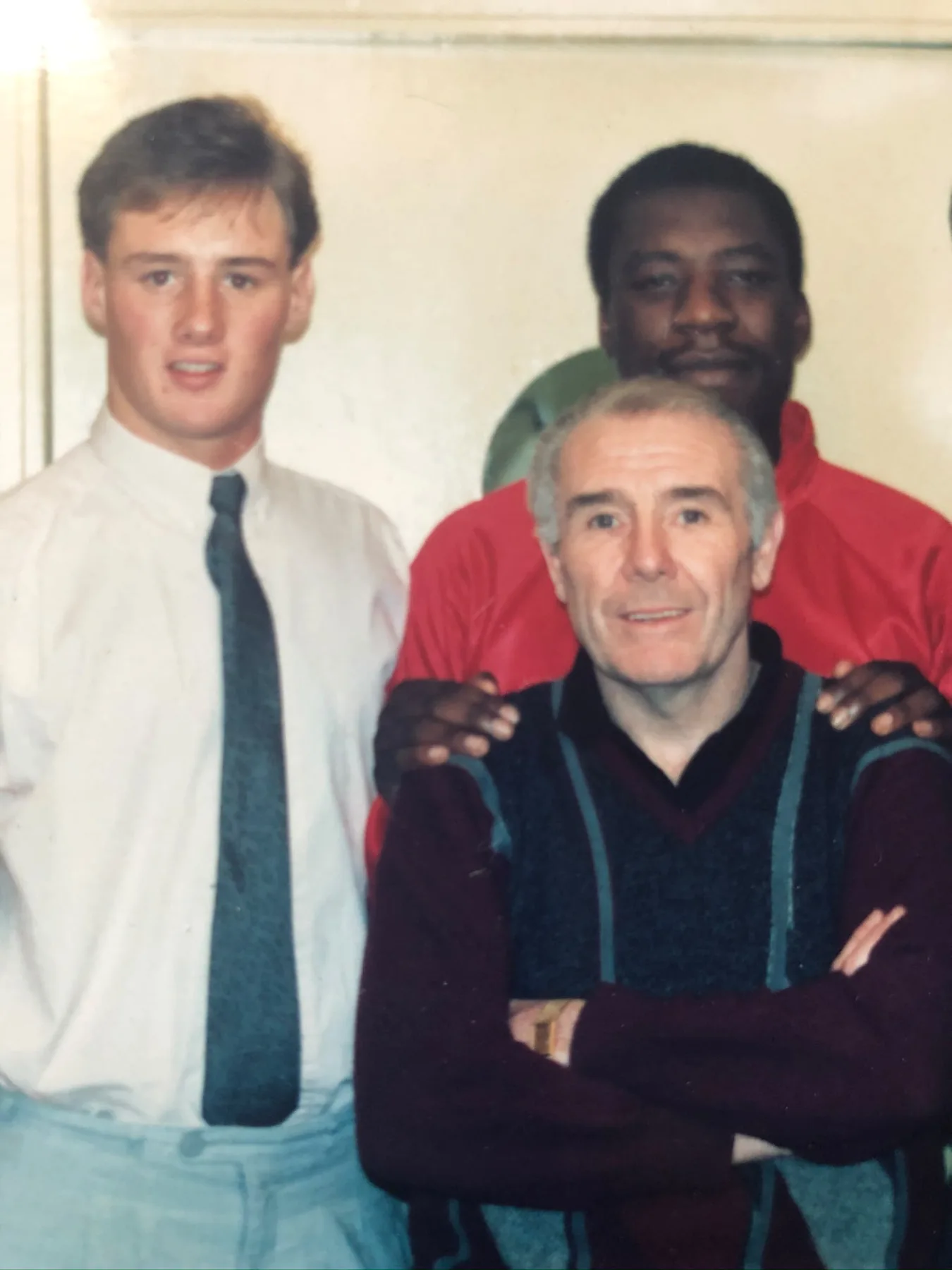
Scott grew up in an environment where boxing was never far away.
Ron Gray had enjoyed a professional career as a heavyweight before moving into matchmaking and promotion, becoming a familiar and respected figure within Midlands boxing. His friendship with Alan Murray meant Scott had access to people and experiences that most young boys interested in the sport could only have imagined.
But wanting to box and being allowed to box were not quite the same thing.
Scott’s mother was reluctant to see her son climb through the ropes. Eventually, at fourteen, he persuaded her to let him begin training.
Stafford Town ABC was his boxing home for more than seven years. Only later did he spend brief periods at Bloxwich ABC and Wolverhampton ABC, before settling at Pleck ABC in Walsall towards the end of his amateur career. It was a longer journey through the amateur ranks than a simple list of clubs might suggest, with Stafford Town providing the foundation on which the rest was built.
What followed was a substantial amateur career.
Scott had 108 contests, winning seven Staffordshire championships and two Midlands titles. They were achievements that demonstrated both ability and commitment, particularly in an era when amateur boxing in the Midlands was fiercely competitive.
Ron believed Scott had enough talent to turn professional.
Scott saw things differently.
He had set himself a particular standard. In his view, a boxer considering the professional ranks ought first to have proved himself at national ABA level.
Despite his regional success, he did not believe he had achieved enough.
It was not a question of lacking ambition. He had spent years training, competing and winning championships. But he understood that professional boxing was a different undertaking, and he was unwilling to enter it simply because the opportunity was there.
Ron encouraged him, but Scott made his own decision.
There would be no professional boxing career.
That might have been the end of his involvement in the sport.
Instead, an encounter with an American world champion helped send his life in an entirely different direction.
Frank Tate, Jesse Reid and the Houston Boxing Association
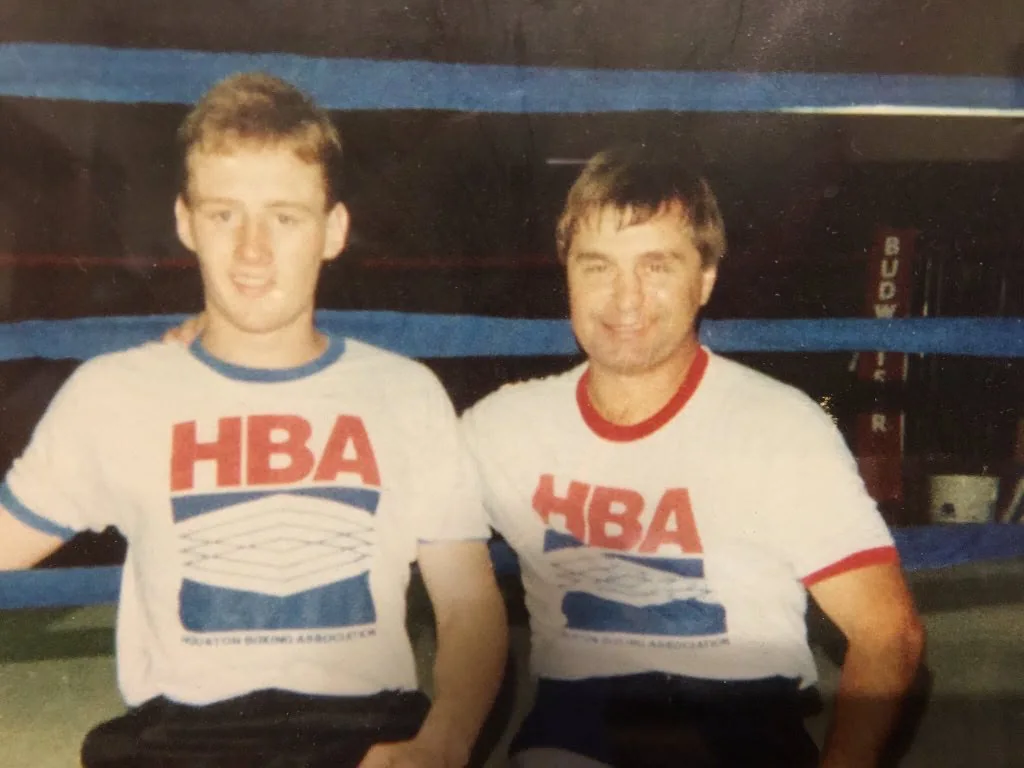
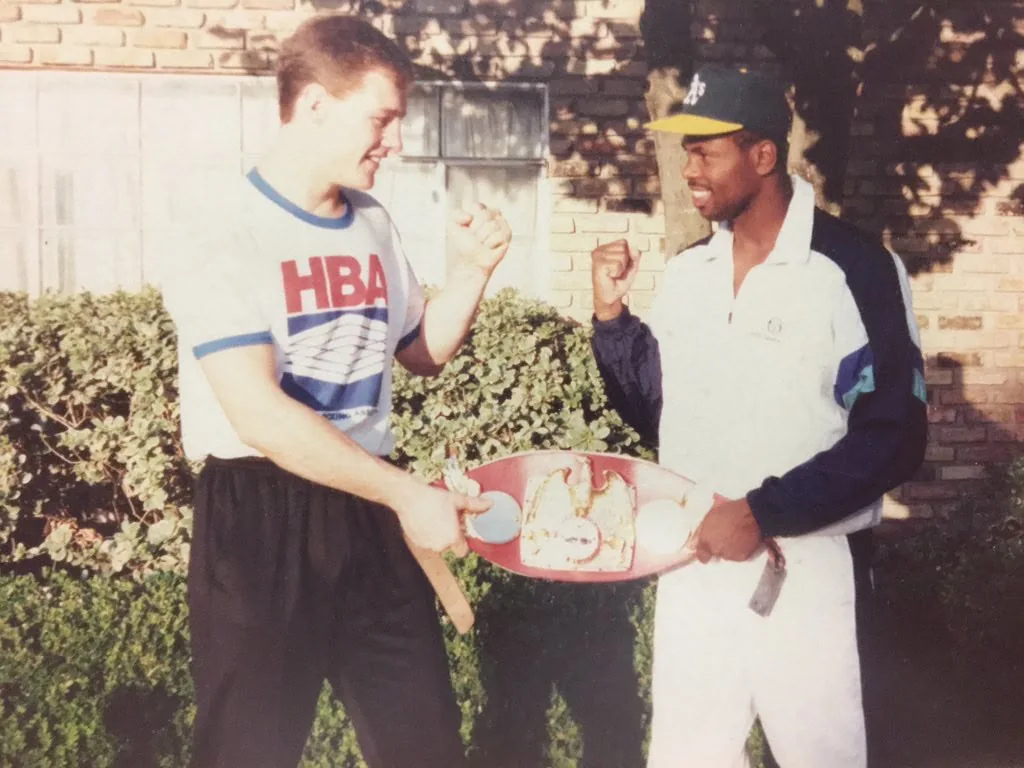
In February 1988, American middleweight champion Frank Tate arrived in Stafford to defend his IBF world title against Britain’s Tony Sibson.
Tate, a gold medallist at the 1984 Los Angeles Olympics, was accompanied by trainer Jesse Reid. During preparations for the fight, the Americans used Stafford Boxing Club as a training base.
Scott was training in Stafford at the time.
The meeting would prove important.
Reid took an interest in the young amateur and subsequently invited him to Houston, Texas, for six weeks of training, with the possibility of a professional career in America.
The invitation took Scott into the world of the Houston Boxing Association, or HBA, an ambitious professional boxing operation managed by Bob Spagnola and financed by Texas millionaire Josephine Abercrombie. Jesse Reid worked with the organisation, which helped develop a remarkable number of world-class fighters.
At the HBA gym, Scott trained alongside Frank Tate and his brother Thomas. The company he kept also included world champions Orlando Canizales, Calvin Grove, Iran Barkley and Freddie Pendleton. For an amateur from Staffordshire, it was an extraordinary education: not simply a glimpse of American professional boxing, but six weeks spent inside a gym populated by men operating at its highest levels.
Yet it was something outside the gym that left one of the strongest impressions.
During his time in Houston, Scott discovered the American sports-bar culture, where sporting events, hospitality and entertainment were brought together in a way he had not previously experienced.
The idea appealed to him.
His father had been involved in the nightclub business, including Snoopy’s and Silks, so Scott was already familiar with the hospitality industry. What he encountered in Texas suggested another way of combining his interests.
He returned to England having learned a great deal about professional boxing, but with an increasing interest in the business surrounding sport.
Scott laughs about it now, acknowledging that he was probably better at socialising than boxing.
There is a certain irony in the story.
Jesse Reid had invited him to America because he believed Scott might have a future as a professional fighter.
Scott came home with the beginnings of a different ambition.
Following a different path
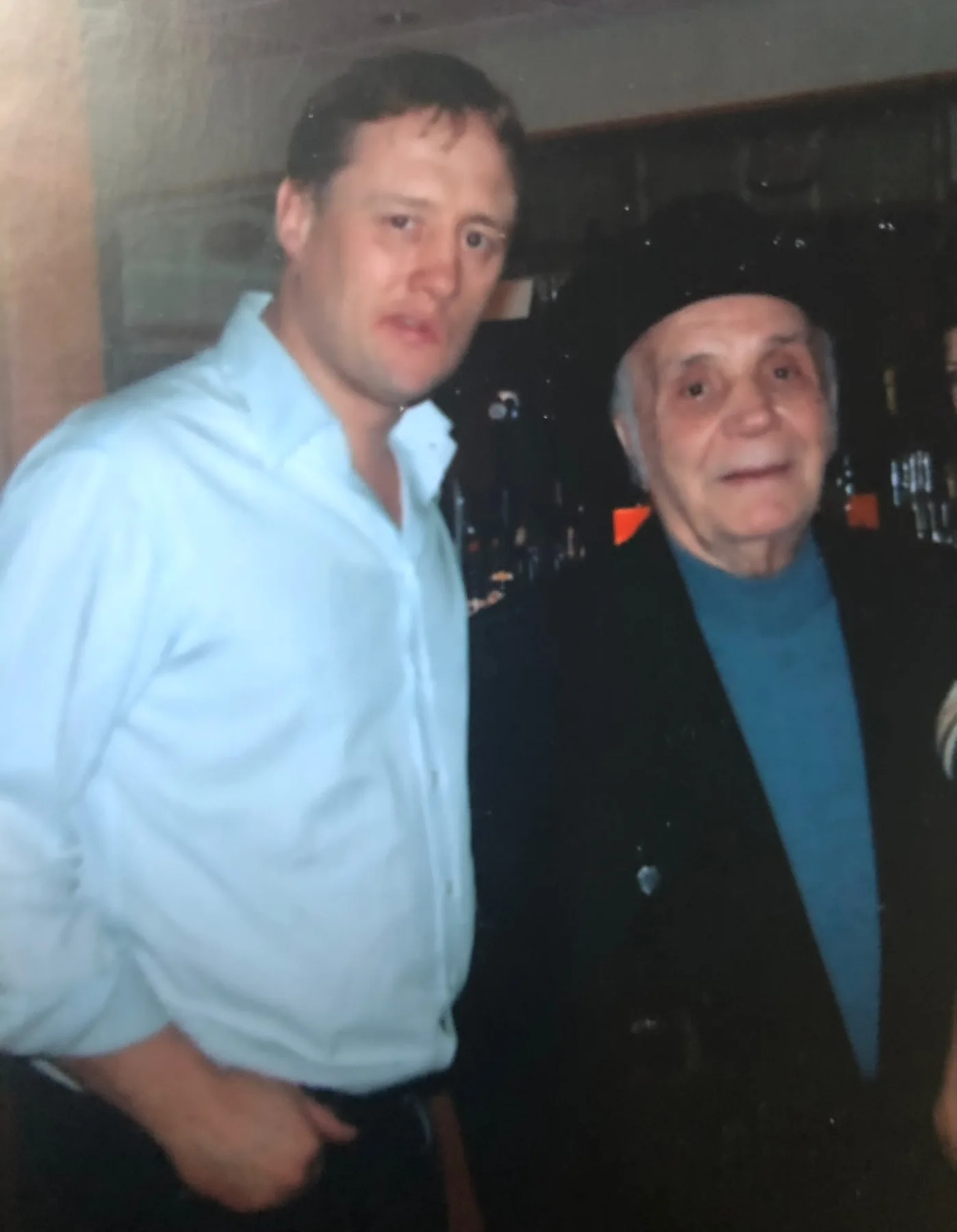
The hospitality business gradually became Scott’s profession.
It was demanding work, requiring long hours, organisation and a willingness to deal with the unpredictable nature of public events. There was little opportunity to pursue coaching alongside it, even if that had been a direction he wanted to take.
Boxing, however, remained part of his life.
Ron Gray was still there, and the friendship between the families provided a natural connection to the professional game.
Together, Scott and Ron began organising sporting dinners, bringing former champions and other well-known personalities before audiences who wanted to hear their stories.
Among their earliest guests were two of Britain’s best-known former world champions, John Conteh and “Our ’Enry”, Henry Cooper. Cooper was a close friend of Ron’s, another reminder of how the relationships Scott had grown up around helped open the doors to a new business.
Conteh, the former world light-heavyweight champion, had been one of Britain’s most recognisable sportsmen during the 1970s, but speaking to an audience was an entirely different challenge from fighting in front of one.
According to Scott, Conteh was so nervous before the evening that he considered pulling out.
Ron persuaded him to go ahead.
Scott, meanwhile, had a problem of his own.
It was his first show, and he had no master of ceremonies to introduce the guest.
So he took the microphone himself.
There was no lengthy account of Conteh’s achievements, no attempt to build anticipation or rehearse the great moments of his career.
Scott simply said:
“Gentlemen, John Conteh.”
And that was it.
Conteh apparently thought it was the best introduction he had ever received.
Scott still laughs when recalling the occasion, particularly because Conteh went on to become such an accomplished after-dinner speaker that professional comedians preferred to appear before him rather than attempt to follow him.
It was an unlikely beginning to what would become a successful part of Scott’s business.
And it illustrated something he would come to understand over the years.
The most memorable evenings were not necessarily those with the biggest names or the most elaborate arrangements.
Sometimes they were the ones in which people simply connected with an audience.
A lifetime of sporting evenings
The business developed steadily.
When asked whether there had been a particular evening that changed everything, Scott could not identify one.
There had been successful events, difficult periods and the constant work involved in keeping a hospitality business operating. Growth had come gradually, through experience, relationships and a willingness to keep trying new ideas.
Over the years, Scott brought an extraordinary range of personalities before audiences.
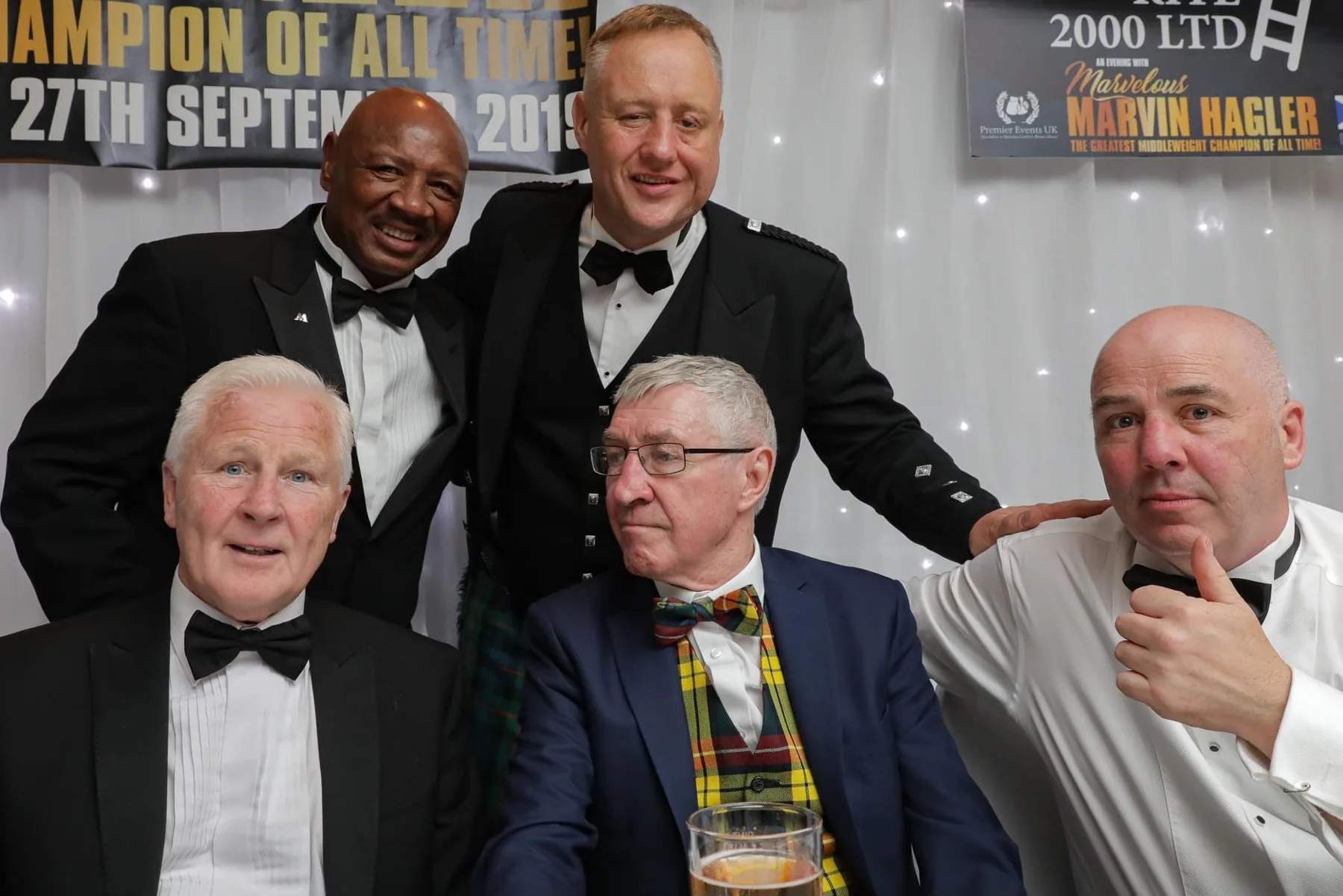
Boxing remained central to the business, with former champions including John H. Stracey, Jim Watt, Charlie Magri, Ken Buchanan and John Conteh appearing at sporting dinners. Over time, the list grew to include some of the greatest names the sport has known.
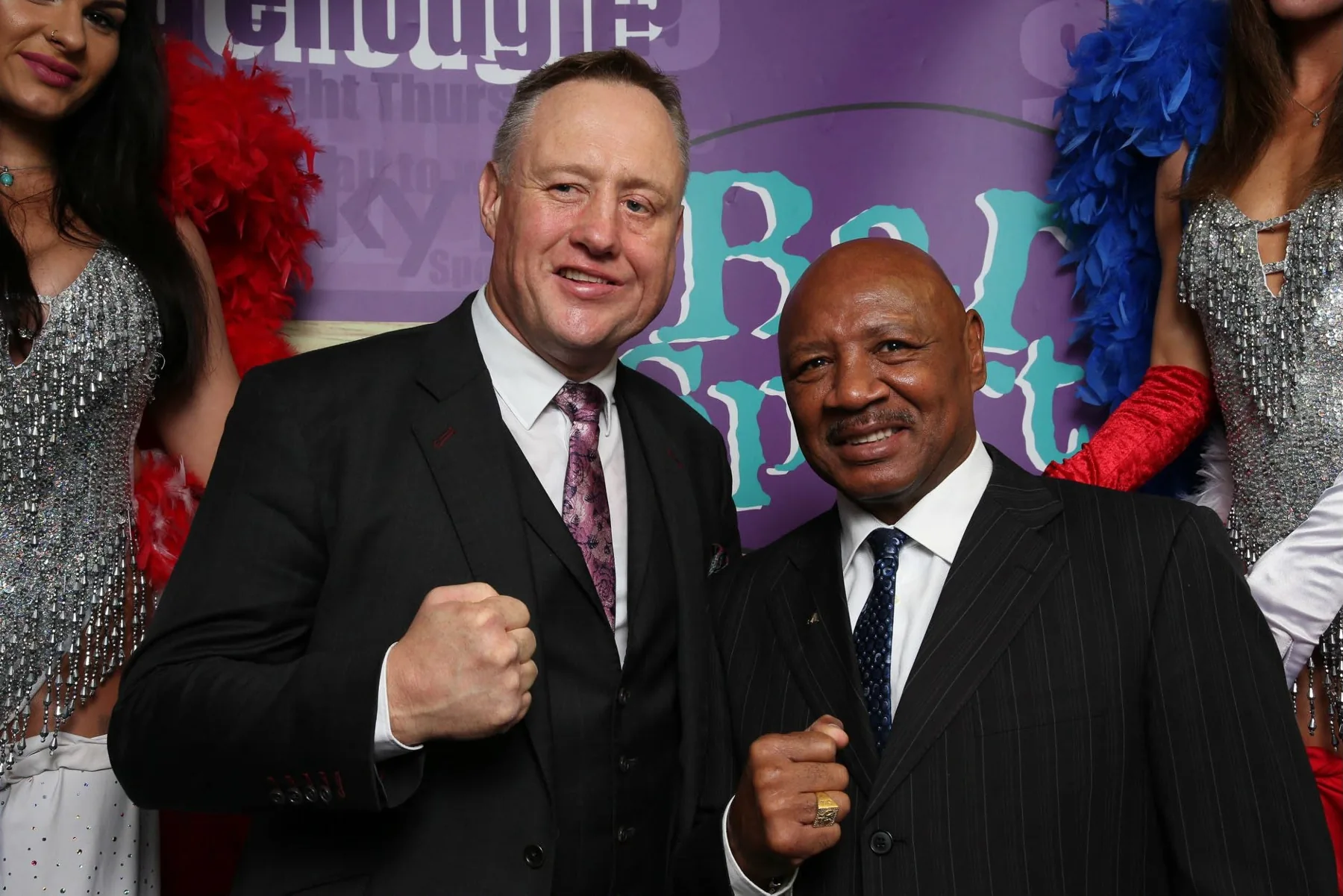
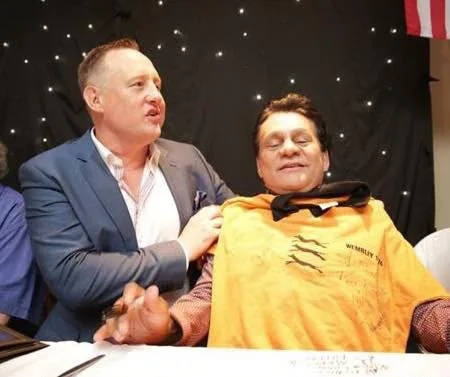
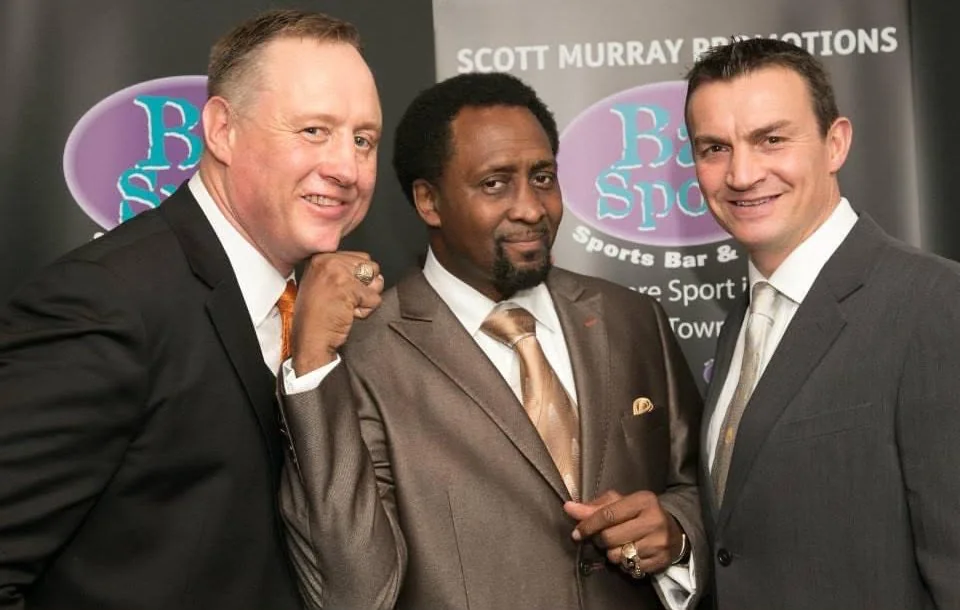
Scott has hosted all four fighters whose rivalries came to define the middleweight era of the 1980s: Sugar Ray Leonard, Thomas Hearns, Roberto Durán and Marvelous Marvin Hagler. It is an extraordinary group of names, although Scott speaks of them as people he came to know through the work, rather than trophies to be collected.
Hagler was a particularly memorable guest. Scott recalls hosting him at two evenings in Scotland towards the end of the former champion’s life. He remembers them as among Hagler’s last public appearances, although their precise place in Hagler’s final public schedule has not been independently established. Hagler died in March 2021.
There were champions from a later generation too. Anthony Joshua appeared at one of Scott’s events before becoming a world champion. It is another reminder of the years over which these relationships were built: some guests were looking back on completed careers, while others still had their biggest nights ahead of them.
There were footballers, rugby players and figures from other areas of public life.
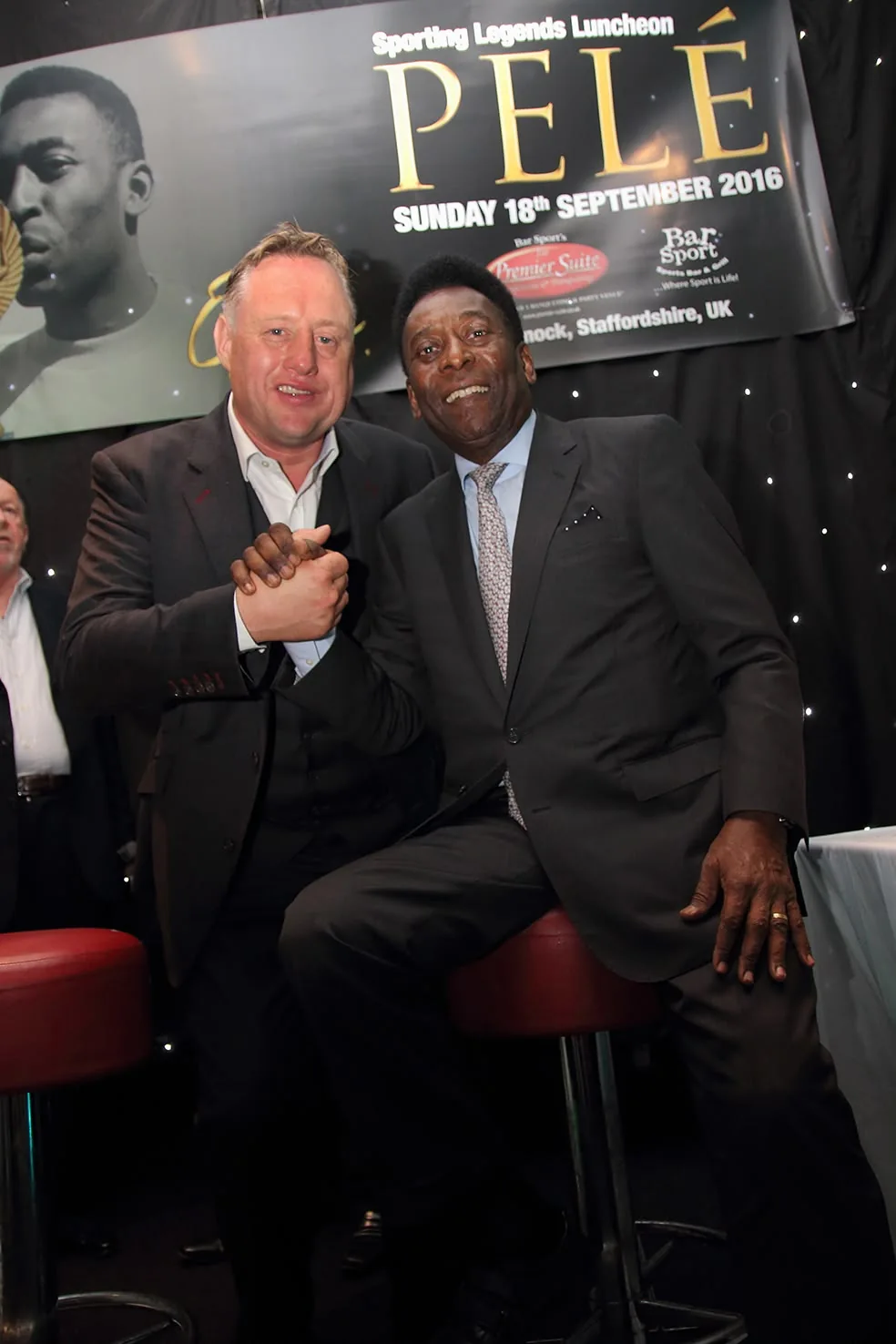
Scott recalled events involving Pelé, members of England’s 1966 World Cup-winning side and Henry Hill, the American whose life provided the basis for the film Goodfellas.
The range was considerable, but the principle remained straightforward.
People wanted to hear from those who had experienced something remarkable.
A former boxer could explain what it felt like to enter the ring for a world title fight. A footballer could describe the atmosphere of a dressing room before an important match. Others could offer accounts of lives far removed from those of the people sitting in the audience.
For boxing in particular, such evenings served another purpose.
They kept former fighters connected to the public.
Long after the final contest, when the television appearances had ended and the newspaper coverage had moved on, there were still people interested in their experiences.
Scott helped provide somewhere for those stories to be told.
In some cases, that involvement extended beyond the evening itself.
A tribute to Ken Buchanan
Ken Buchanan’s place in British boxing history is secure.
The Edinburgh lightweight won the WBA world championship in 1970 before adding the WBC title the following year, becoming the undisputed champion of his division.
Yet recognition of that achievement in his home city was a long time coming.
A campaign to erect a statue in Edinburgh eventually brought together former fighters, supporters and others determined to ensure Buchanan received a permanent tribute.
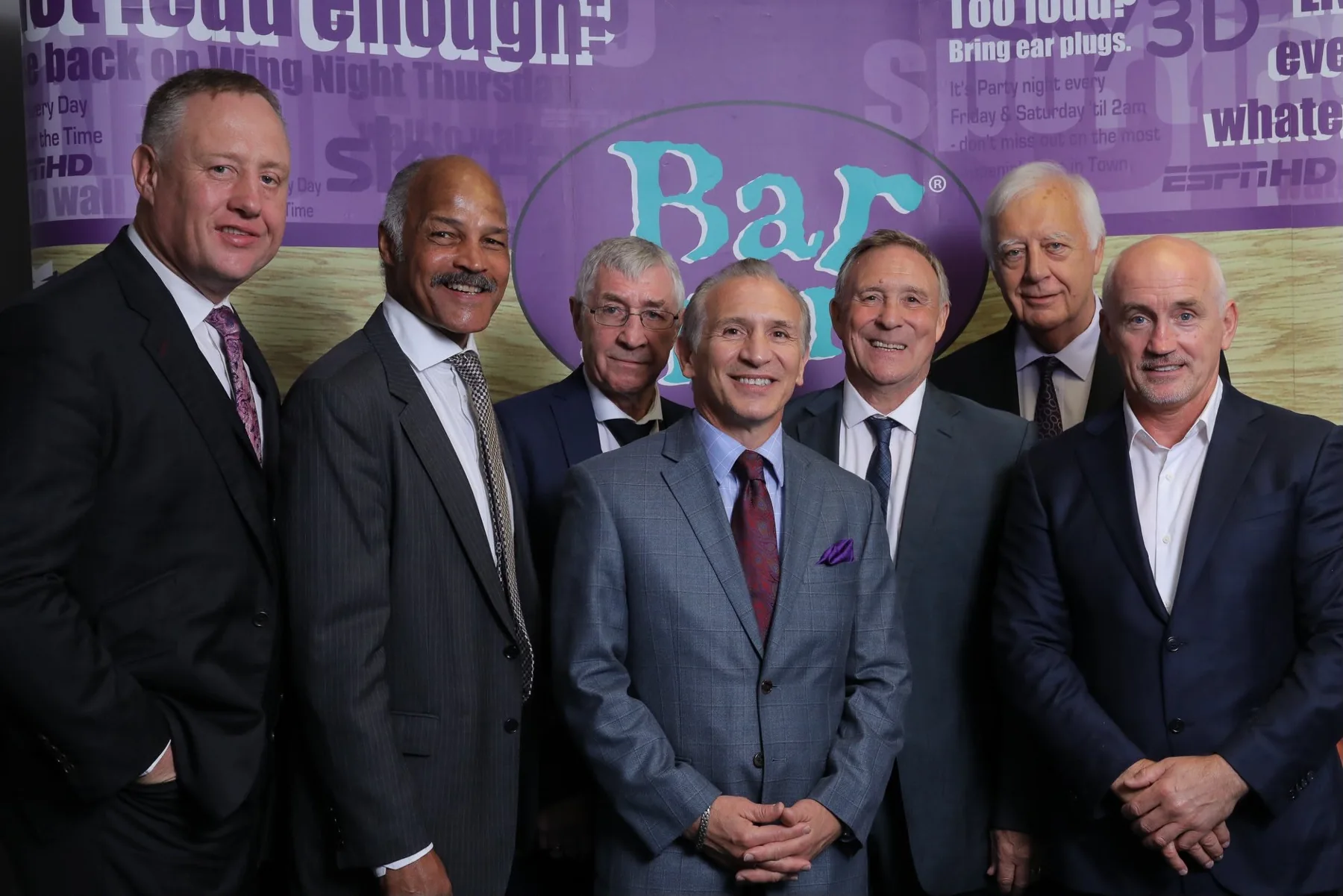
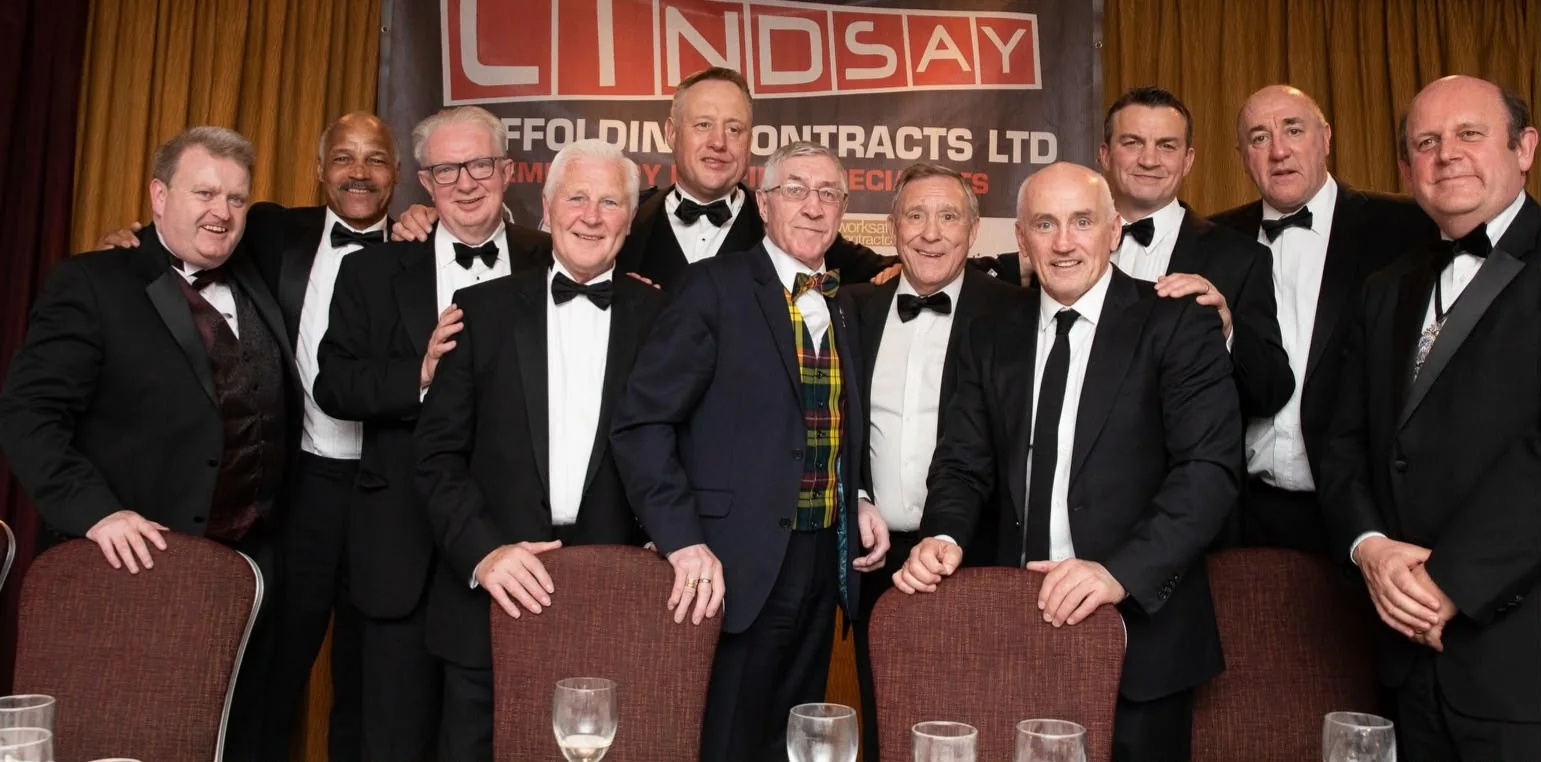
Scott helped raise funds through sporting evenings for the Ken Buchanan Foundation Charity (KBF). The first fundraiser was held in Edinburgh and brought together Barry McGuigan, John Conteh, Jim Watt, John H. Stracey, Josh Taylor and Lee McGregor, with Buchanan himself at the heart of the occasion. Steve Bunce and Richie Woodhall hosted the evening.
It was a gathering spanning generations of British boxing, brought together for a practical purpose: helping fund a permanent tribute to one of Scotland’s greatest champions. The proceeds supported the KBF’s campaign for the statue.
In August 2022, the finished monument was unveiled in Edinburgh.
Buchanan was there to see it.
He died the following April, aged seventy-seven.
The timing mattered.
After a lifetime in boxing, and more than fifty years after winning the world lightweight championship, Buchanan had been able to witness a permanent recognition of his achievements in the city where his story began.
Scott’s contribution was part of a wider charitable effort, but the Edinburgh evening showed what his years of organising events and building relationships could achieve when directed towards a cause beyond the next show.
Bringing people together, organising events and raising money might not attract the attention given to a championship fight.
Nevertheless, without people willing to do those things, projects of this kind would struggle to become reality.
Boxing history is not preserved by records alone.
It also depends on people who care enough to remember.
Richie, Buncey and the Excelsior
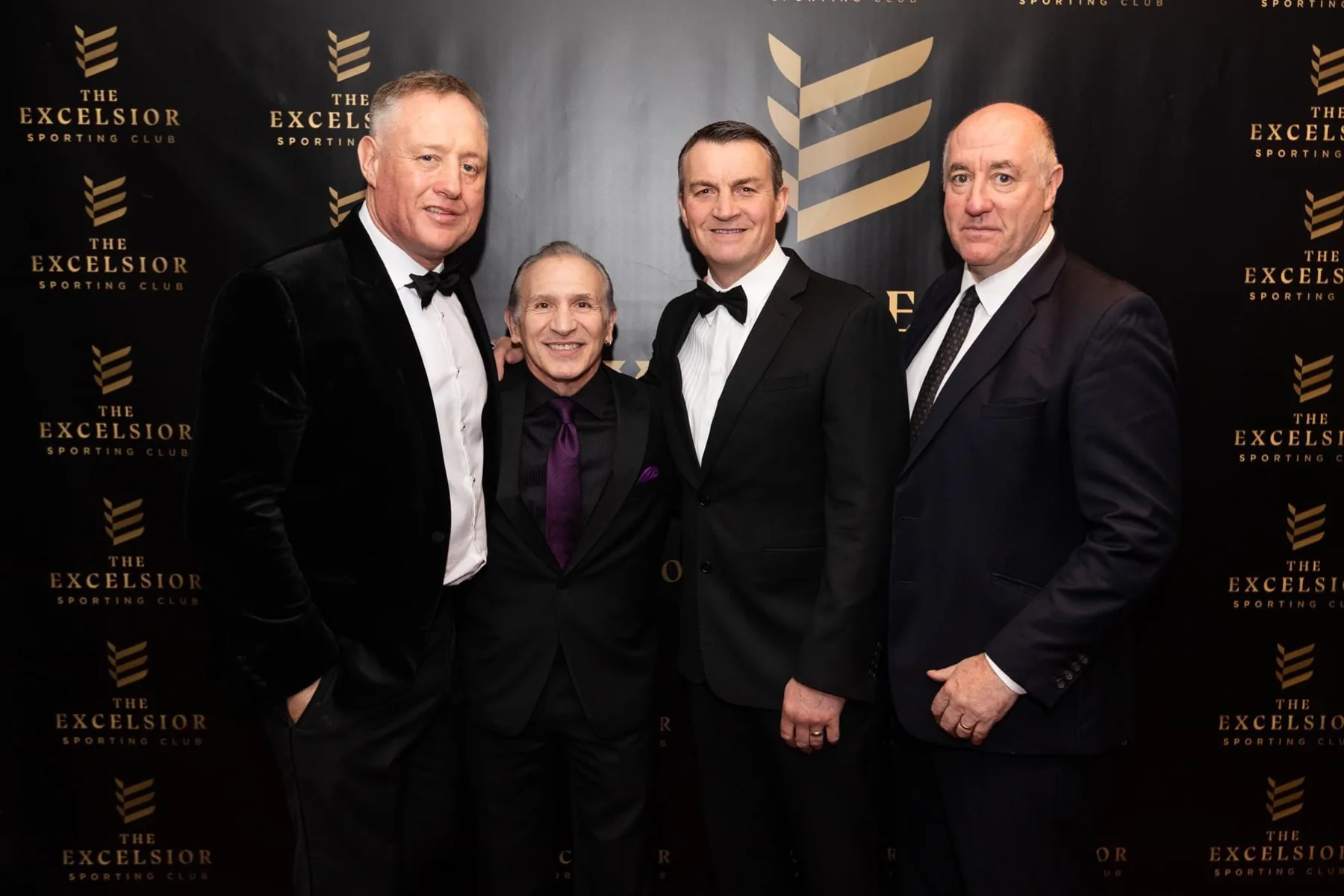
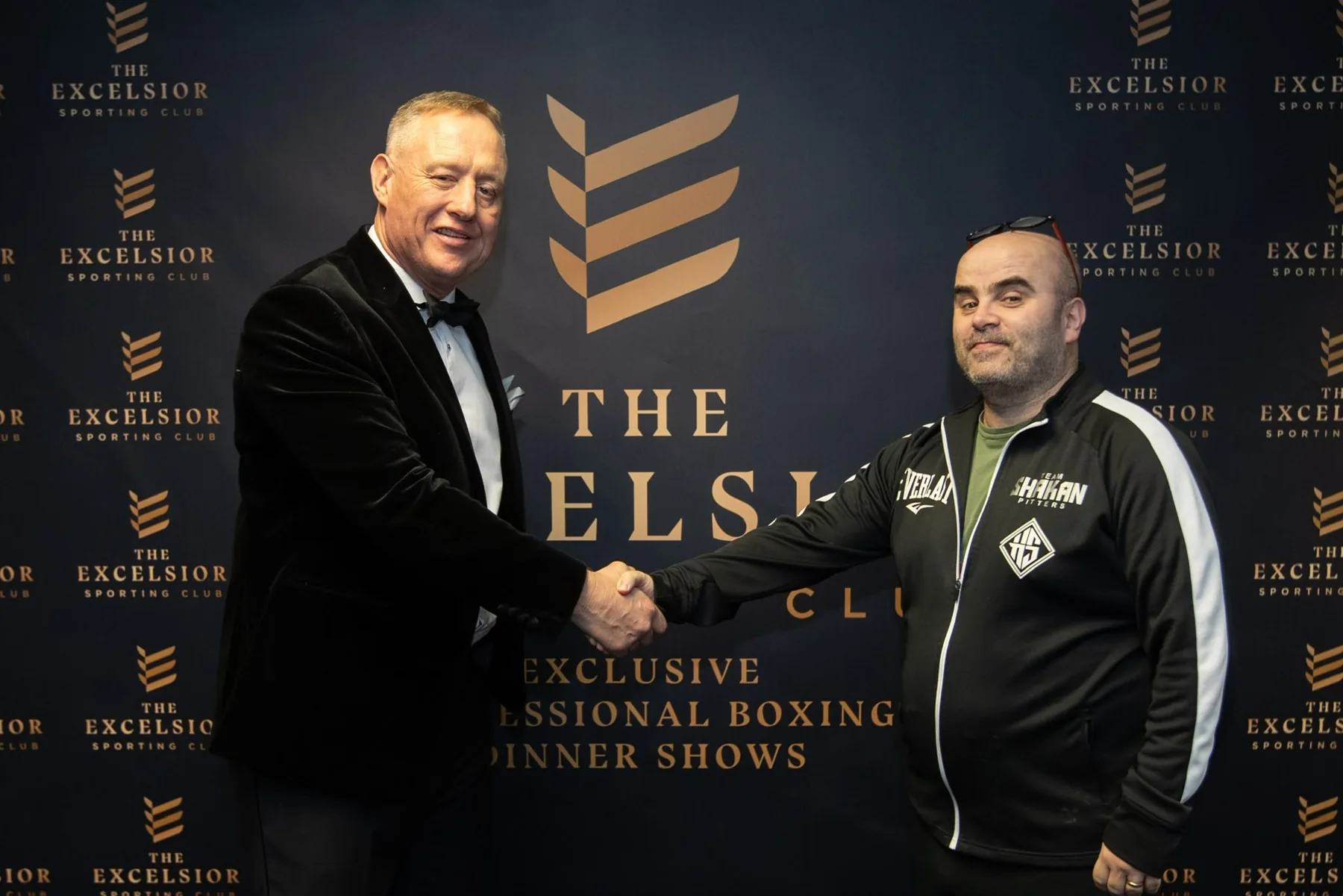
One of the most recognisable features of Scott’s sporting evenings today is the partnership he has developed with former world champion Richie Woodhall and boxing broadcaster Steve Bunce.
It is a relationship that grew naturally rather than through any formal arrangement.
Scott had known Richie for years through the boxing scene, including his association with Richie’s father, Len Woodhall.
Richie began attending some of the shows, became familiar with the way the evenings worked and eventually started taking a more active role.
Steve Bunce arrived through a similar route.
He attended a few events, tried his hand at hosting and discovered that he enjoyed it.
Over time, the three developed a working partnership that Scott clearly values.
Each brings something different.
Richie offers the experience and understanding of a man who has competed at the highest level, while Bunce brings an unmistakable enthusiasm for the sport and the people involved in it.
Scott particularly appreciates Bunce’s ability to energise an audience.
He knows how to get a room involved, lift the atmosphere and turn an evening into something more than a succession of introductions and interviews.
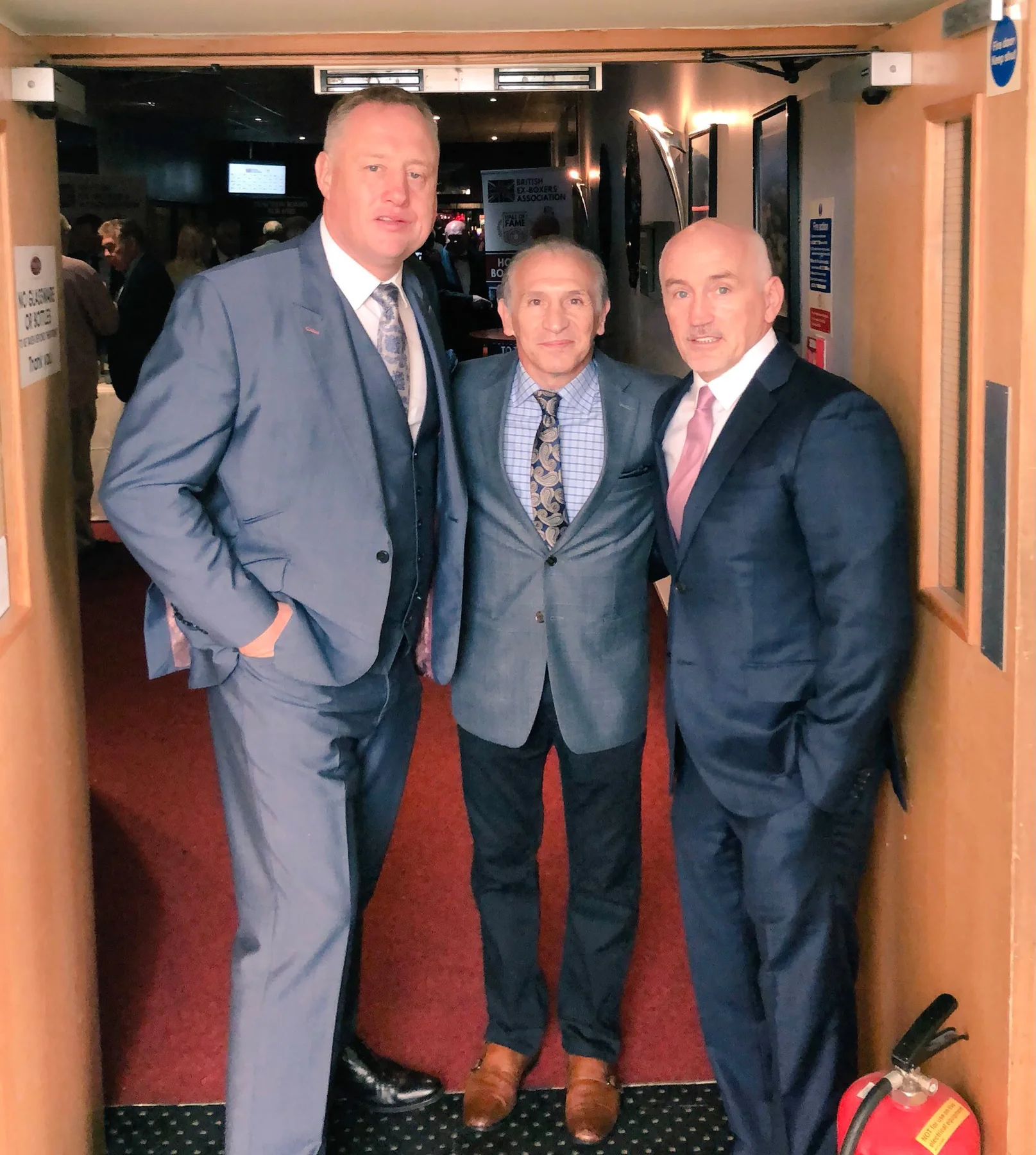
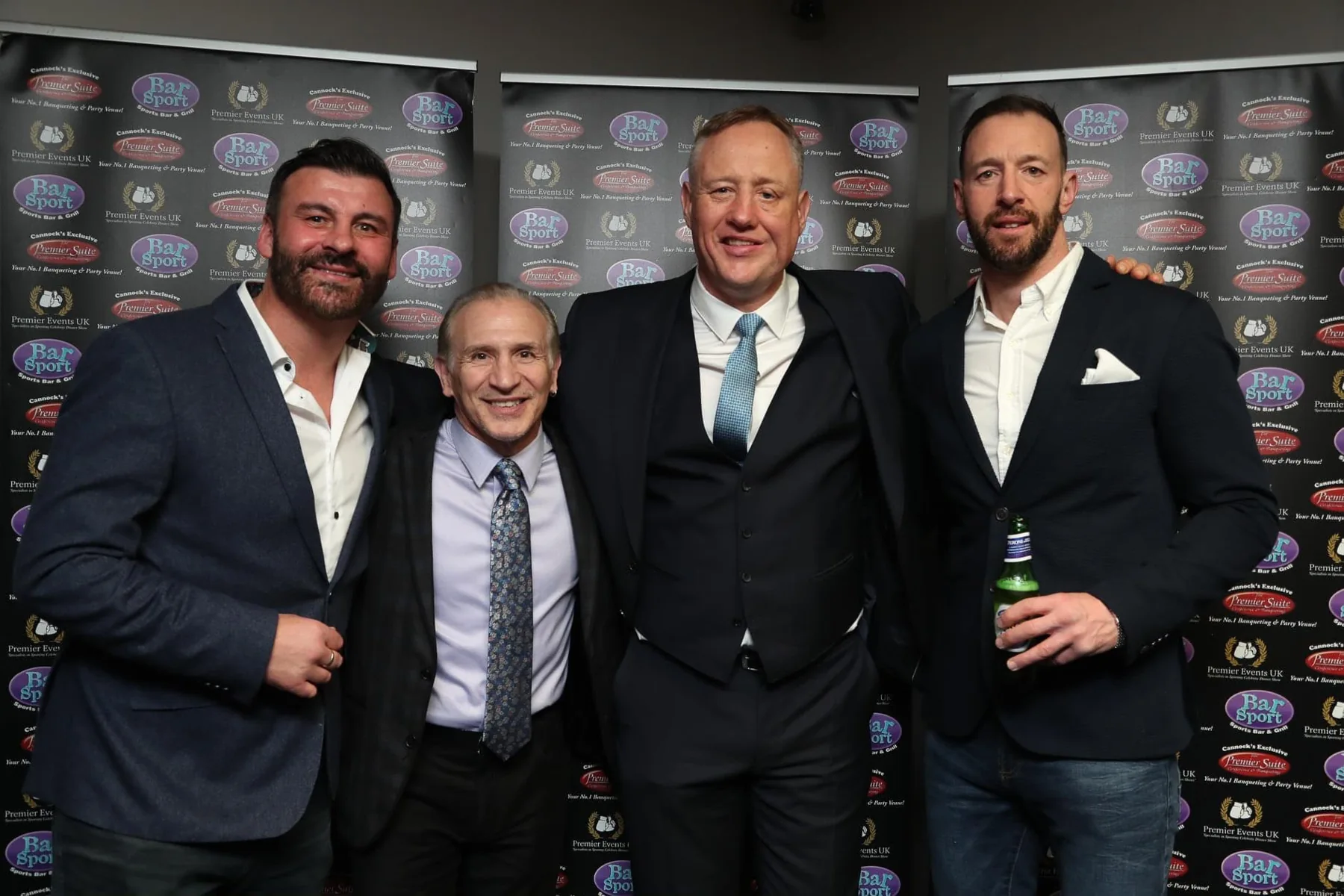
Another important figure in the Excelsior story is former world lightweight champion Ray “Boom Boom” Mancini. Having first appeared as a guest speaker, Mancini has also become a host at the club’s dinner shows. What began as a professional connection has grown into a close friendship with Scott and his family.
It is another example of how Scott’s business has evolved.
People came to the shows, enjoyed the experience, formed friendships and eventually became part of the operation themselves.
The arrangements may have developed informally, but the relationships have endured.
And they now provide a platform for something Scott is particularly keen to develop.
Professional boxing.
Big small-hall shows
Alongside matchmaker and promoter Jon Pegg, Scott is working to provide opportunities for professional fighters across the Midlands.
He speaks warmly of Pegg, particularly his knowledge of boxing and his commitment to the fighters he works with.
Their ambition is to produce what Scott describes as big small-hall shows.
The phrase captures the approach.
The venues may not have the scale of the major arenas, but Scott wants the contests to matter. He is interested in competitive matchmaking, genuine fifty-fifty fights and opportunities for boxers who might otherwise struggle to secure regular appearances.
He understands that a fighter’s development depends on more than talent.
Training is only one part of the process. Boxers need opponents, dates, suitable contests and people willing to invest time in helping them progress.
For young professionals, particularly those without major promotional backing, those opportunities can be difficult to find.
Scott believes regional boxing has an important role to play.
Not every fighter will become a world champion, and those who eventually reach the highest level may move on to larger promoters.
That is part of the sport.
But before any of that can happen, they need somewhere to learn their trade.
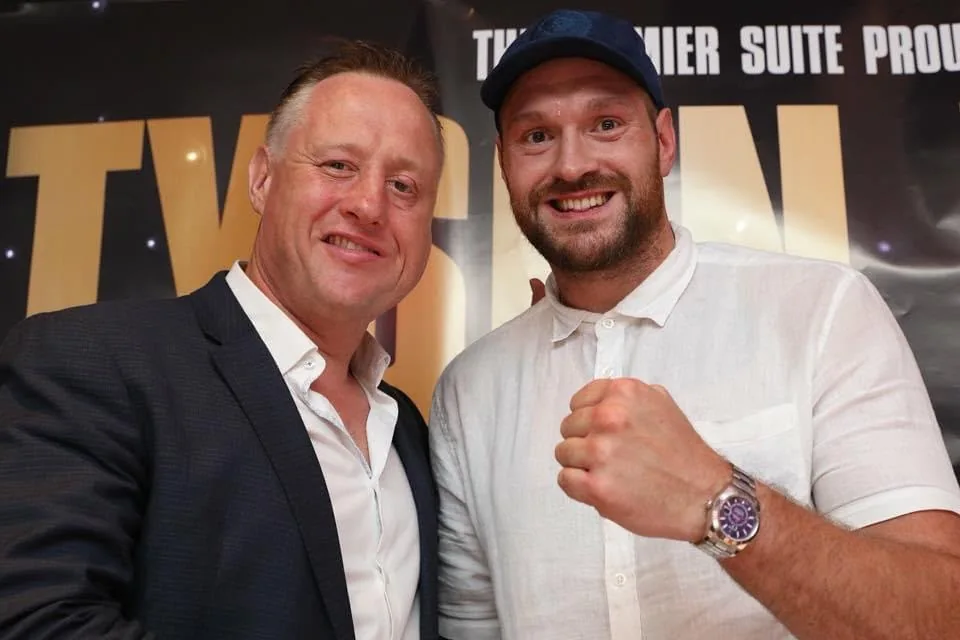
The Excelsior Sporting Club’s St Andrew’s Night professional boxing dinner, scheduled for 26 November at the Premier Suite in Cannock, reflects that approach.
Among the advertised fighters is Jess Barry, while Richie Woodhall and Steve Bunce will once again be involved in hosting the evening.
It brings together the different sides of Scott’s work: boxing, hospitality, entertainment and the relationships developed over many years.
He also has ambitions to expand the promotional operation, including discussions around possible television opportunities in America.
Those plans remain at an early stage, but they demonstrate that Scott is not simply maintaining a business established years ago.
He is still looking for ways to develop it.
And he has another reason to remain closely involved in the sport.
The next generation
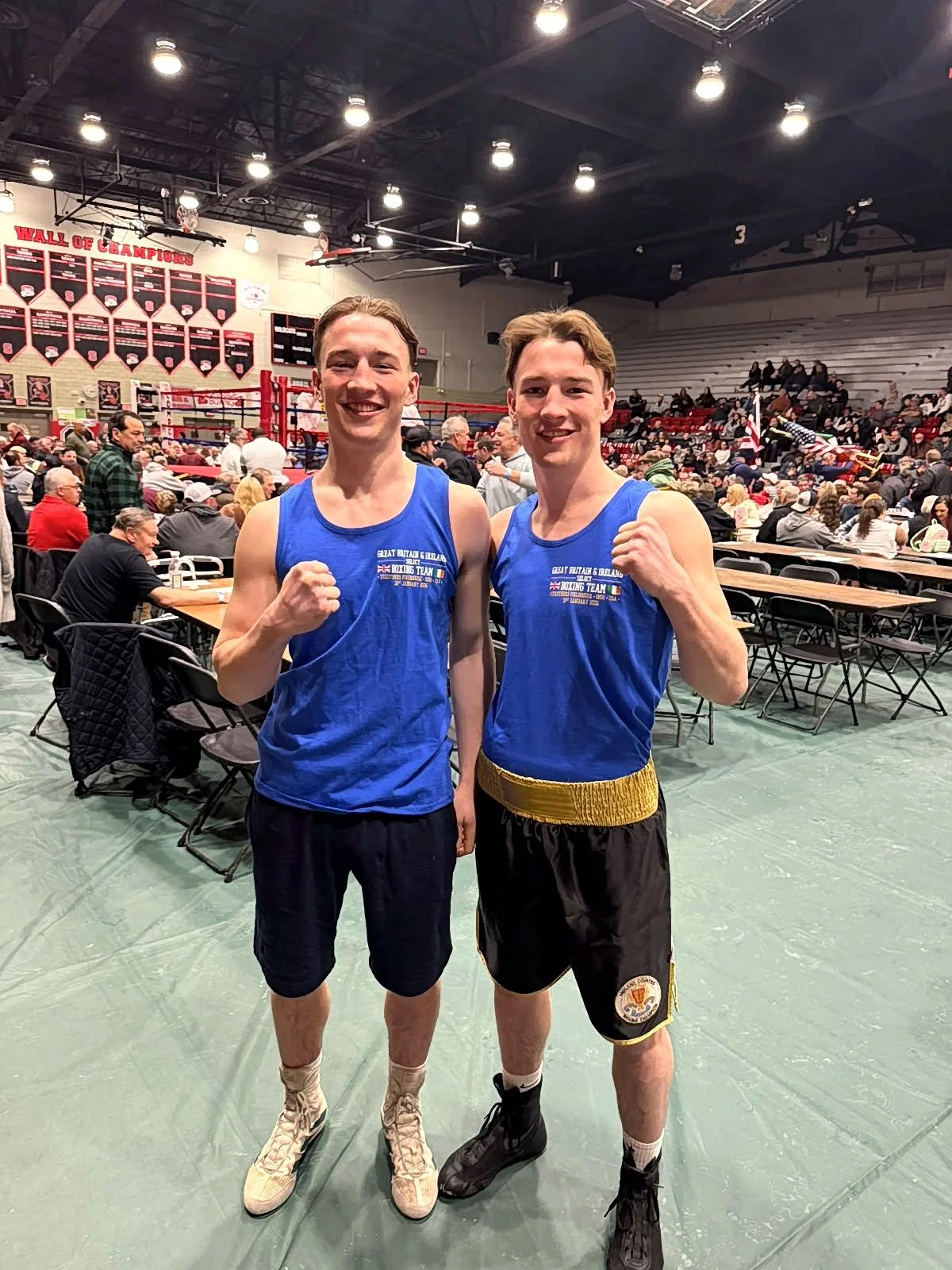
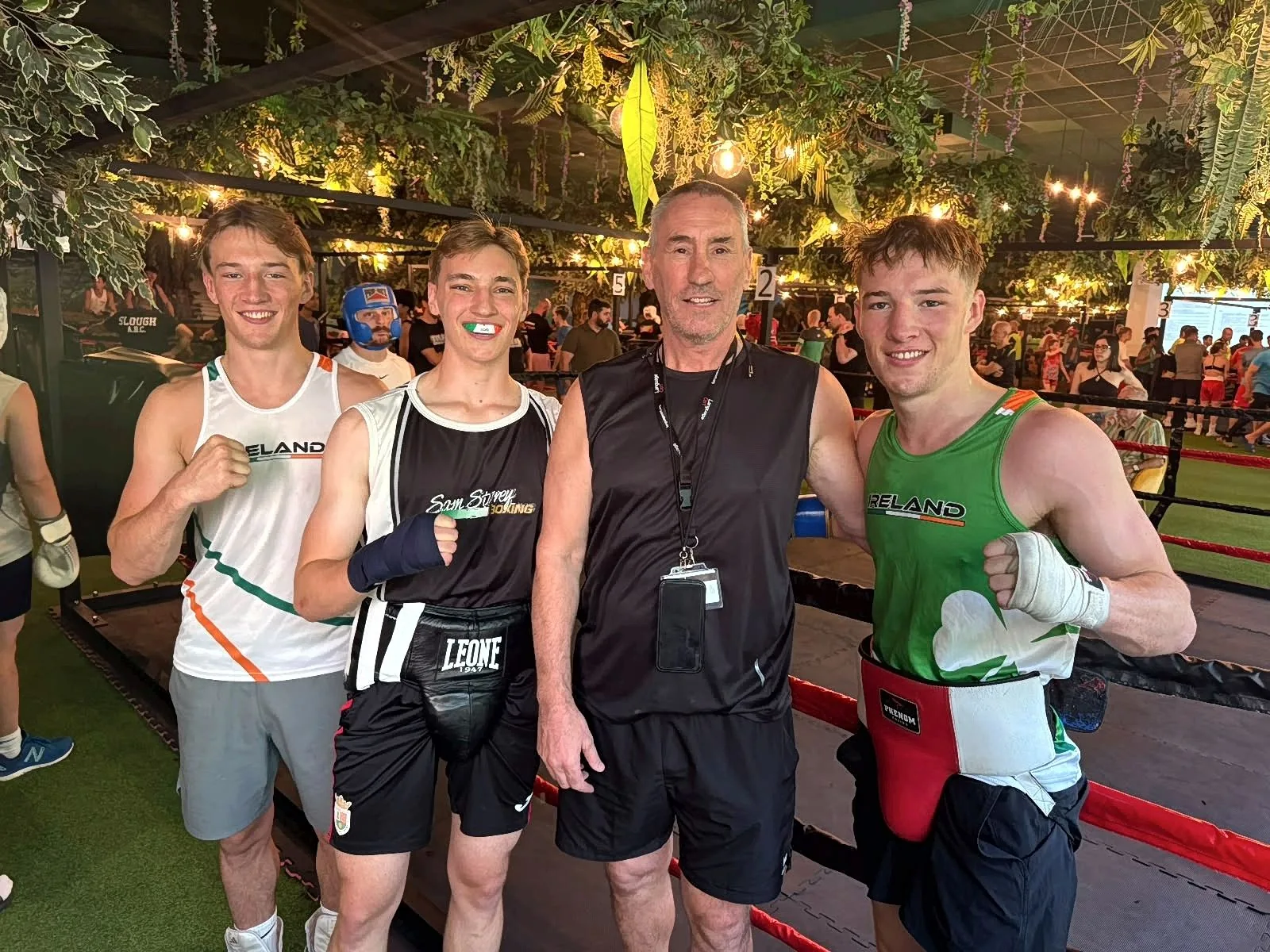
For all Scott’s years around boxing, the involvement of his twin sons, Henry and Charles, has brought something different to his relationship with the sport.
Both began their amateur journeys representing Wolverhampton BC and now box for Walsall Wood BC. Their careers have already taken them beyond the Midlands.
They have won regional honours, including Midlands titles achieved on the same day. Their achievements have also taken them across the Atlantic, where both have recorded victories in Ohio. The connection is a personal one: through Ray “Boom Boom” Mancini, now a close family friend, Henry and Charles have had the opportunity to box at international amateur tournaments in Mancini’s hometown of Youngstown, Ohio, for each of the past three years. It is a remarkable link between Scott’s friendships in boxing and the opportunities opening up for his sons.
For their father, there is an understandable pride in what they have achieved.
But there is also caution.
Scott has seen enough boxing to know that success as a young amateur does not guarantee anything.
He believes the twins should continue developing, gain experience and establish themselves as thoroughly as possible before considering the professional ranks.
It is a view shaped by his own career.
More than three decades ago, Ron Gray believed Scott had the ability to turn professional.
Scott chose not to.
He had his own ideas about what a fighter ought to achieve before taking that step, and he was not prepared to abandon them simply because others believed he could succeed.
Now he finds himself on the other side of the conversation.
Henry and Charles have their own ambitions, and their father wants to support them without making their decisions for them.
There have already been practical complications.
As twins competing in the same sport, they have had to manage their weight divisions to avoid the possibility of meeting one another in championship competition.
Injuries have also played a part, with one of the brothers recovering from a hand problem that has temporarily interrupted his progress.
Scott knows that such difficulties are part of boxing.
He also understands that the desire to continue must come from the fighter.
If his sons eventually decide to turn professional, he will support them.
If they choose a different direction, that will be their decision too.
For now, the emphasis is on learning, competing and seeing how far their ability can take them.
It is their story to write.
The people behind the photographs
After our conversation, Scott took some time to show me around.
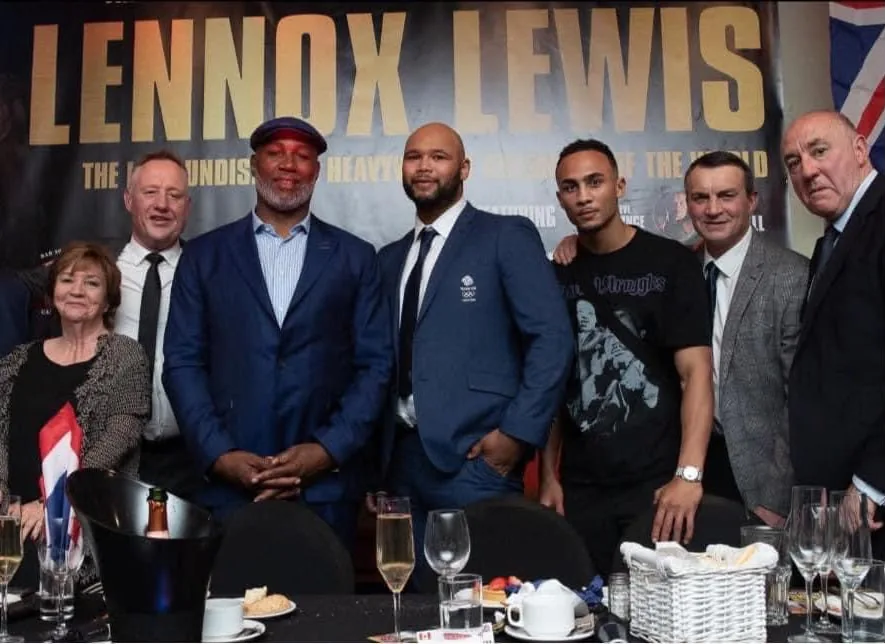
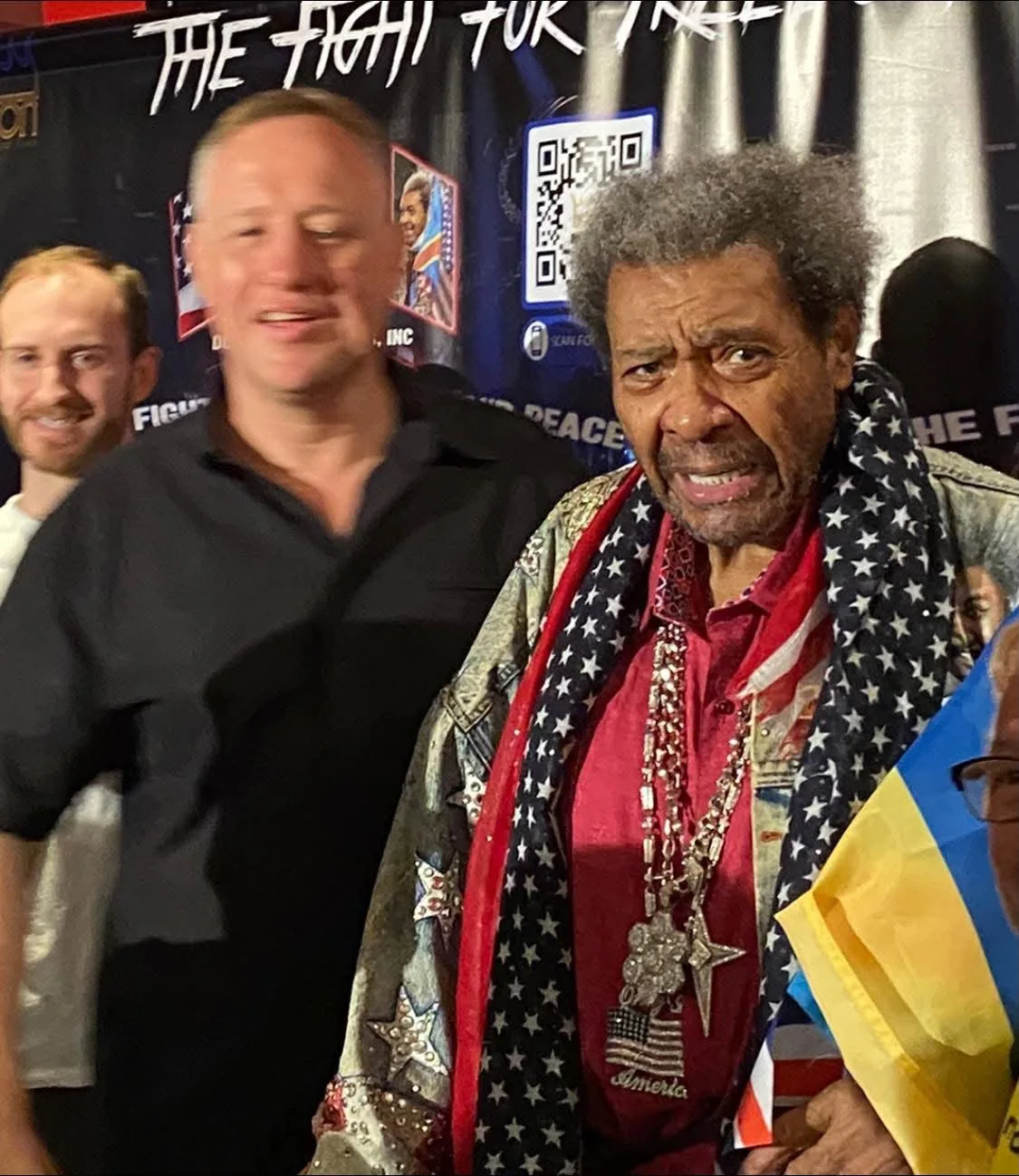
The walls offered a record of the people he has encountered, the events he has organised and the years he has spent involved in boxing.
There were reminders of famous names, memorable evenings and friendships that had lasted long after the events themselves were over.
The photographs of Scott sparring with Danny Williams were particularly interesting.
They were a reminder that the man who had spent so much of his working life organising boxing events had once been an accomplished amateur himself.
He had spent more than seven years at Stafford Town ABC, competed more than a hundred times and travelled to America to train among world champions at the Houston Boxing Association.
He had made a conscious decision not to become a professional boxer, but the experience had remained part of him.
Then there were Ron Gray’s shorts.
Ron had fought on the undercards of both Cooper–Ali contests, at Wembley in 1963 and Arsenal Stadium in 1966.
The framed display, with its programme and newspaper cutting, preserves a tangible connection to one of the most memorable periods in British boxing.
For Scott, however, it is also a reminder of the man who helped introduce him to the sport.
Ron had known his father. He had given Scott his first gloves. He had encouraged him as a fighter and later worked alongside him in the sporting dinner business.
The friendship had continued across generations.
And now another generation was involved.
The fighting family
Scott Murray never became the professional boxer Ron Gray believed he could be.
Instead, he found a way to build a life around the sport.
His amateur career, rooted in more than seven years at Stafford Town ABC, gave him an understanding of what fighters experience. His time at the Houston Boxing Association exposed him to world champions and a different side of the sport, helping shape his business ambitions. His father’s involvement in hospitality provided another influence, while Ron Gray offered guidance, friendship and opportunities that would prove important over the years.
From those beginnings came the sporting evenings, the relationships with former champions, the fundraising events and the more recent involvement in professional promotion.
None of it happened overnight.
There were years of work, successful evenings, disappointments and changes of direction.
Scott is still involved because boxing remains important to him.
He wants to see regional fighters given opportunities. He values the friendships he has made, and he takes pride in the part he has played in keeping former champions connected to the public.
But perhaps the most personal part of the story is still unfolding.
Henry and Charles are now making their own way through amateur boxing.
Their father can offer experience and advice, but he cannot determine where their careers will lead.
That is something they will have to discover for themselves.
There is a photograph of Scott sparring with Danny Williams on the wall in Cannock, and nearby a pair of Ron Gray’s old boxing shorts.
They belong to different generations, different careers and different periods of British boxing.
Yet they are connected by the same family friendships and the same sport.
Once, Ron Gray handed a young Scott Murray his first pair of gloves.
Today, Scott watches his own sons climb through the ropes.
The circumstances have changed, but the connection remains.
And the story is not finished yet.
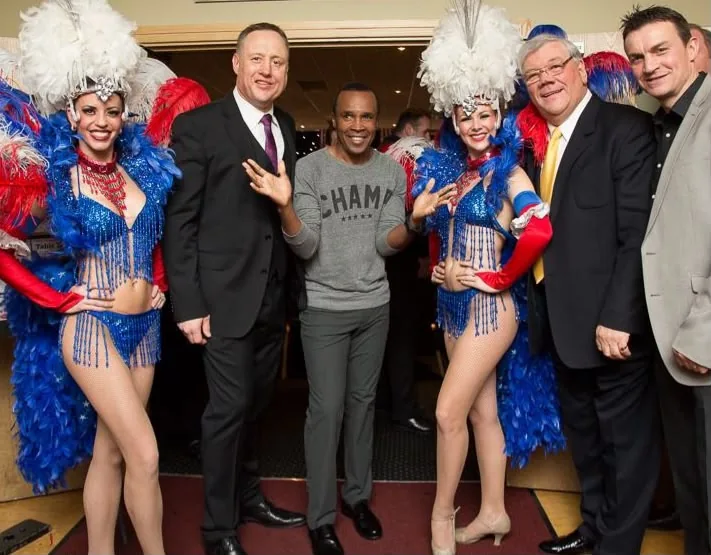
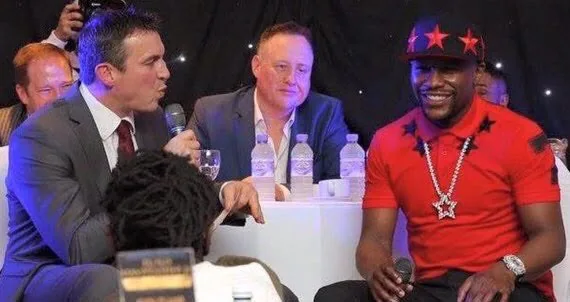
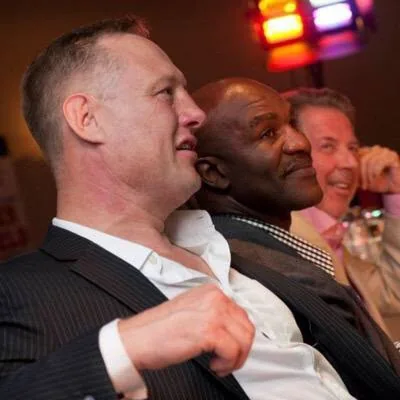
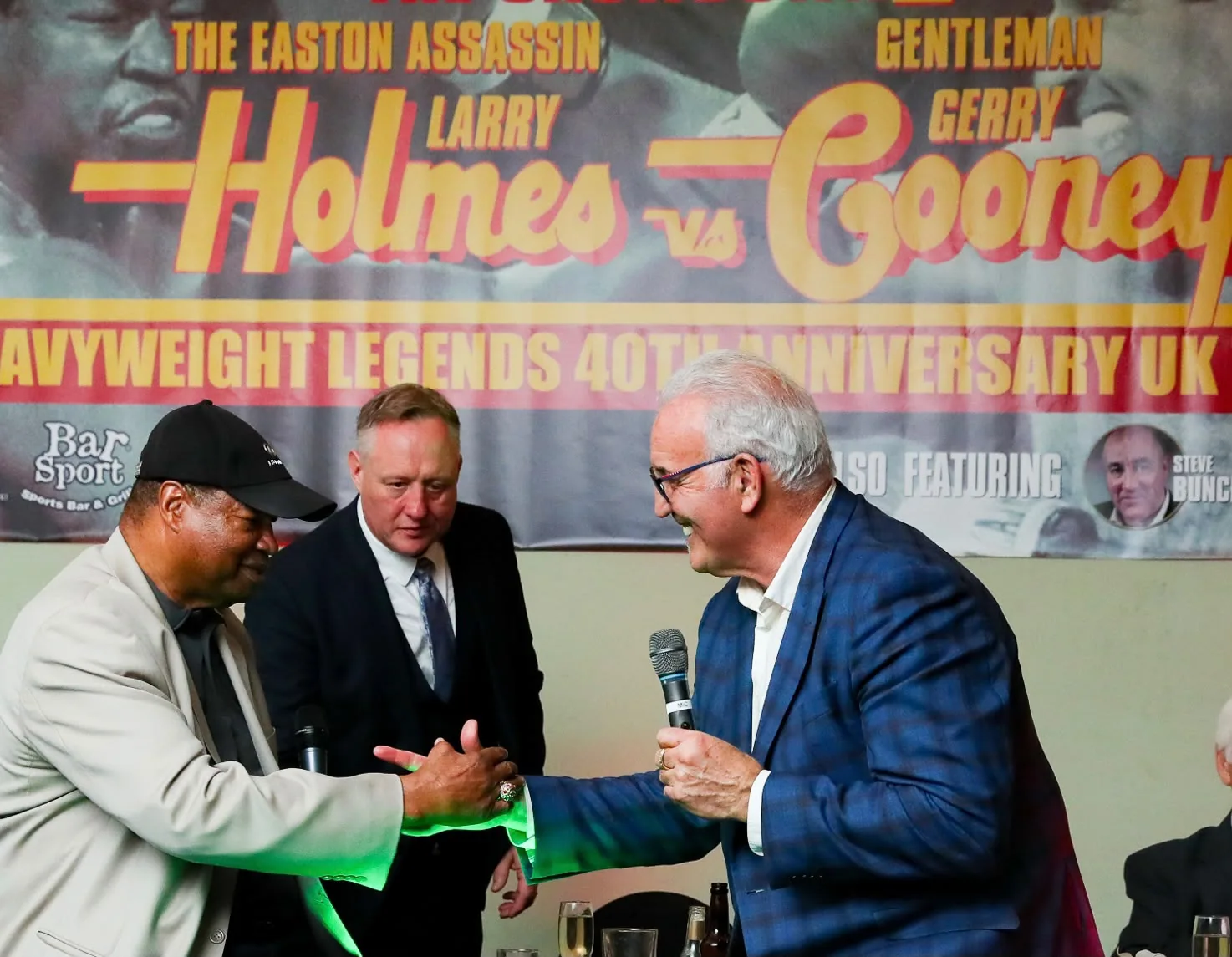
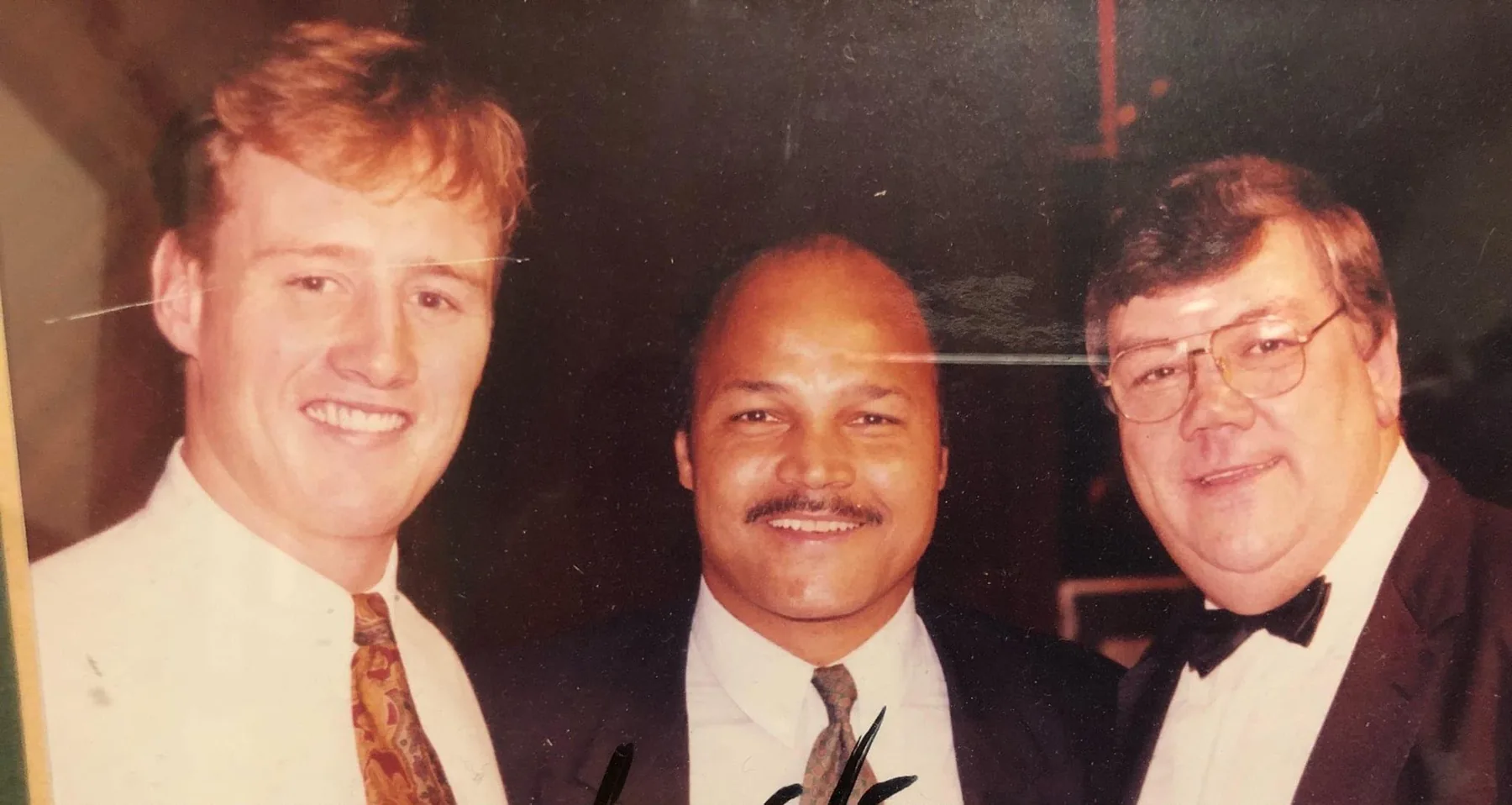
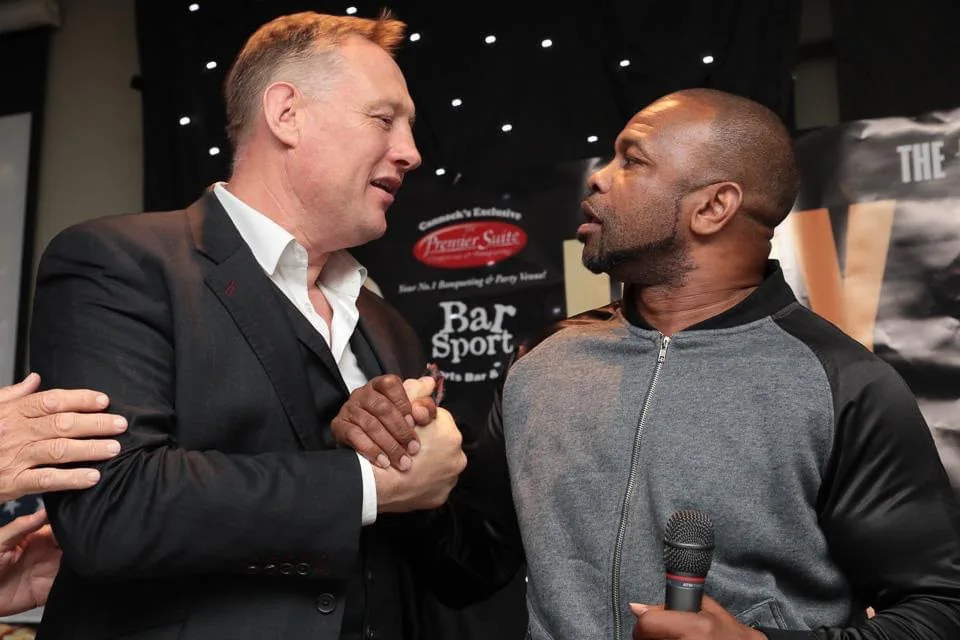
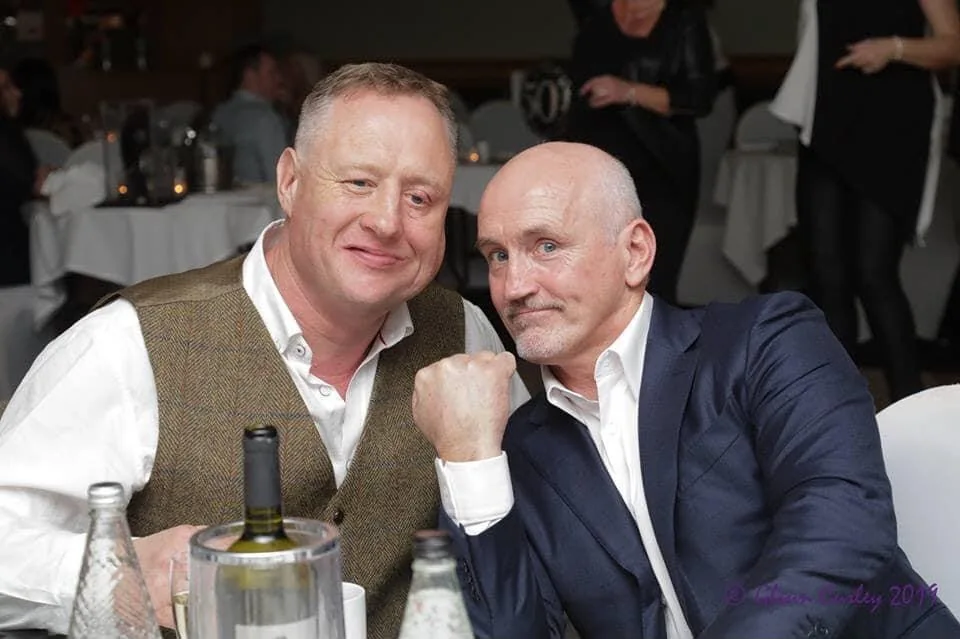
From Scott Murray’s photographic archive
Photographs supplied by Scott Murray, with identifications and event details confirmed during editorial review.